My neighbor Judy asked me why I couldn’t just toss the squash in with the pasta water instead of roasting it separately. I started to explain why that wouldn’t work — something about texture and moisture content — then stopped. I’d been making butternut squash mac and cheese for years, always taking the long way around, and here was a woman who barely cooked suggesting I change everything. I shrugged and said, “Let’s try it your way.”
Honestly, I was sure we’d end up with watery, bland sauce and mushy noodles. But Judy was insistent, and I had nowhere to be that afternoon. So I peeled and cubed that butternut squash, dropped it into the pot with the elbow macaroni, and waited to be proven right. About twelve minutes later, I fished out a piece of squash, mashed it with a fork, and — well, let me tell you — it was perfect. Soft, sweet, and ready to blend into the creamiest sauce I’d ever made, no roasting required.
That day taught me something I still think about: sometimes the simplest method is the best one, even if it feels wrong at first. This butternut squash mac and cheese has been a staple in my kitchen ever since, especially on busy weeknights when I need dinner on the table fast. It’s creamy, cheesy, and packed with hidden veggies that even the pickiest eaters won’t notice. Maybe you’ve been there, trying to sneak some nutrition into a family meal without anyone complaining. Well, this recipe is your answer.
I keep making this because it works every single time, and it reminds me that being wrong can be a good thing. So grab a pot, some squash, and a box of pasta — we’re about to make something magical together.
Why You’ll Love This Recipe
I’ve tested this butternut squash mac and cheese more times than I can count, tweaking it until it was just right. It’s been family-approved by my own crew and a few skeptical neighbors too. Here’s why it stands out:
- Quick & Easy: Ready in 30 minutes flat, from start to finish. Perfect for those evenings when you’re juggling homework, activities, and a hungry family.
- Simple Ingredients: You’ll find everything at your regular grocery store. No specialty cheeses or hard-to-find spices needed.
- Perfect for Family Meals: Kids devour it without realizing they’re eating a full serving of vegetables. Adults love the creamy, savory flavor.
- Crowd-Pleaser: I’ve served this at potlucks and playdates, and it always gets empty bowls and requests for the recipe.
- Unbelievably Delicious: The butternut squash makes the sauce silky and naturally sweet, balancing the sharp cheddar perfectly. It’s comfort food at its finest.
What makes this recipe different from all the others? It’s the cooking method. By simmering the squash right in the pasta water, you skip the roasting step and save time without sacrificing flavor. The squash blends into a velvety sauce that coats every noodle, and the cheese melts into it beautifully. No one will guess there’s a vegetable hiding in there — it just tastes like the creamiest mac and cheese they’ve ever had. This isn’t just another version; it’s the one you’ll come back to again and again.
What Ingredients You Will Need
This recipe uses simple, wholesome ingredients to deliver bold flavor and satisfying texture without the fuss. Most of these are pantry staples, and the butternut squash is easy to find year-round in most grocery stores.
- Butternut squash, peeled and cubed (about 2 cups) — Look for pre-cut squash in the produce section to save time. Fresh is best, but frozen works in a pinch. (Adds natural sweetness and creaminess)
- Elbow macaroni (8 ounces, about 2 cups dry) — Any small pasta shape works, like shells or rotini. I prefer Barilla for its consistent texture.
- Sharp cheddar cheese, shredded (1 ½ cups) — Use block cheese and shred it yourself for the smoothest melt. Pre-shredded cheese has anti-caking agents that can make the sauce grainy. (I recommend Tillamook or Cabot for great flavor)
- Milk (1 cup, whole milk preferred) — Adds richness to the sauce. You can use 2% or even unsweetened almond milk if needed.
- Butter (2 tablespoons, unsalted) — Adds richness and helps the sauce come together. Salted butter works too — just reduce the added salt.
- Garlic powder (½ teaspoon) — A subtle savory note that complements the squash. Fresh garlic can be used if you prefer, but garlic powder blends more smoothly.
- Mustard powder (¼ teaspoon) — Don’t skip this! It doesn’t make the sauce taste like mustard — it just enhances the cheese flavor and adds depth. (A trick I learned from an old cookbook)
- Salt (½ teaspoon, plus more for pasta water)
- Black pepper (¼ teaspoon, freshly ground)
- Optional: Pinch of nutmeg (⅛ teaspoon) — Adds warmth that pairs beautifully with butternut squash. It’s subtle, but you’ll miss it if you leave it out.
- Breadcrumbs for topping (½ cup, optional) — Panko breadcrumbs mixed with a little melted butter make a crunchy topping if you want to bake it. I do this when I’m feeling fancy.
Substitution guidance: For a gluten-free version, use gluten-free pasta and certified gluten-free breadcrumbs. For a dairy-free option, swap the milk with unsweetened oat milk, use dairy-free butter, and choose a vegan cheddar shred that melts well. The sauce might be slightly less creamy, but it’s still delicious.
Equipment Needed
You don’t need much for this recipe, which is part of its charm. Here’s what you’ll need:
- Large pot (5-6 quart) — For boiling the pasta and squash together. A Dutch oven works beautifully here.
- Colander — For draining the pasta and squash. Save about a cup of the cooking water before you drain!
- Blender or immersion blender — This is key for pureeing the squash into a smooth sauce. An immersion blender works directly in the pot, saving you a dish. A regular blender works too — just let the mixture cool slightly and blend in batches.
- Cheese grater — For shredding the block cheddar. A box grater or microplane works great.
- Wooden spoon or spatula — For stirring the sauce.
- Measuring cups and spoons — For accurate measurements. I’ve learned the hard way that eyeballing the squash can throw off the sauce consistency.
If you don’t have a blender, you can mash the cooked squash with a potato masher or fork, but the sauce won’t be as silky. I’ve done it in a pinch, and it still tastes great — just a little more rustic. Budget-friendly tip: a basic immersion blender costs around $20 and is worth every penny for soups and sauces.
Preparation Method
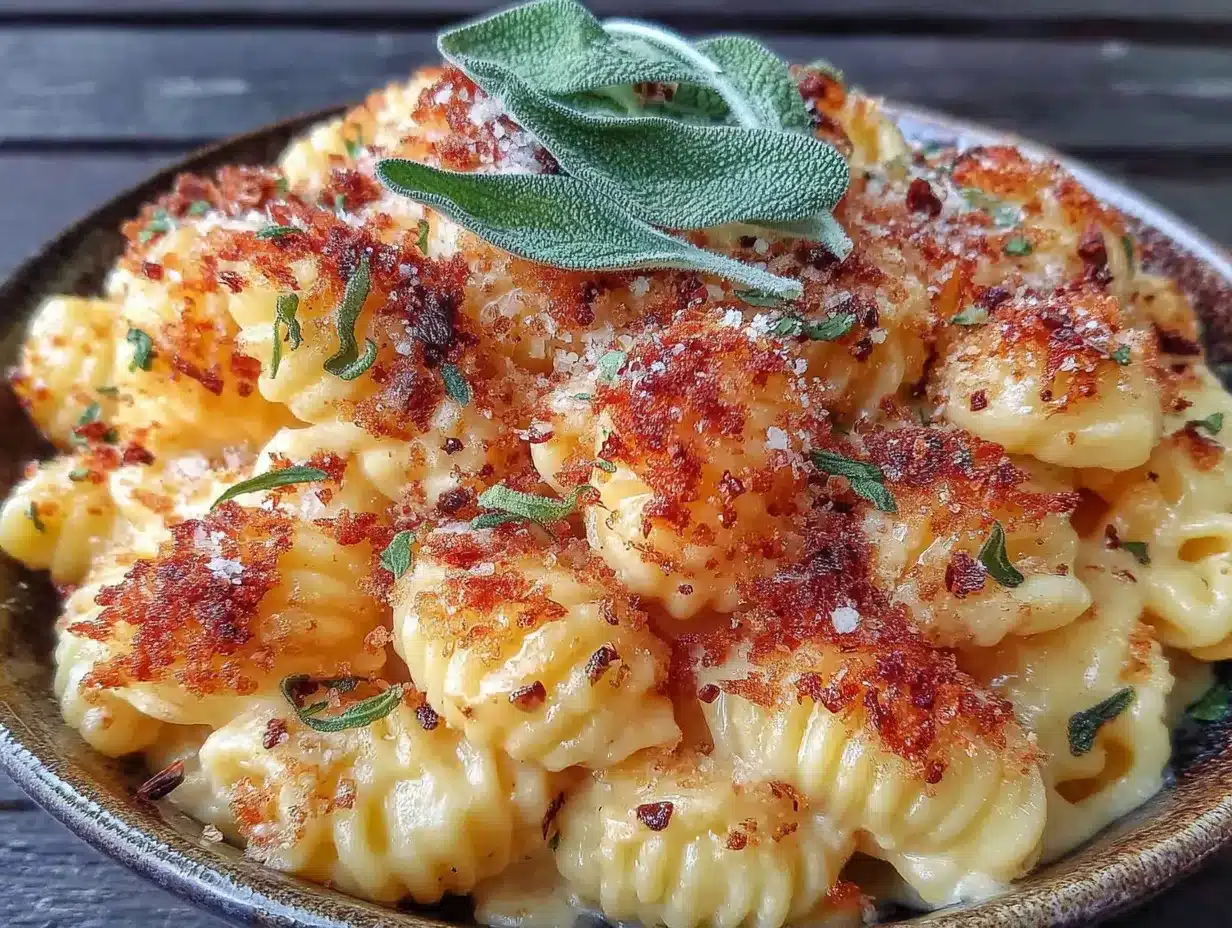
Let’s get cooking! This comes together quickly, so have your ingredients prepped and ready to go.
- Bring a large pot of salted water to a boil. Add about 1 tablespoon of salt — it seasons the pasta from the inside out. Once boiling, add the cubed butternut squash and elbow macaroni together. Cook according to the pasta package directions, usually 8-10 minutes, until the pasta is al dente and the squash is fork-tender.
- Reserve 1 cup of the cooking water, then drain the pasta and squash. Don’t skip this step! That starchy water is liquid gold for creating a smooth sauce. Set it aside in a measuring cup.
- Return the pot to the stove over medium-low heat. Add the butter and let it melt. Once it’s bubbling, add the garlic powder, mustard powder, salt, pepper, and nutmeg if using. Stir for about 30 seconds until fragrant — your kitchen will smell amazing.
- Pour in the milk and bring to a gentle simmer. Whisk it into the butter mixture until combined. Let it warm through for about a minute, but don’t let it boil.
- Transfer the drained squash and about ½ cup of the reserved pasta water to a blender. Blend until completely smooth, about 30-45 seconds. The mixture should be thick but pourable. If it’s too thick, add more pasta water a tablespoon at a time. Be careful with the hot liquid — work in batches if needed, and leave the blender lid slightly open to release steam.
- Pour the squash puree into the pot with the milk mixture. Stir well to combine. The sauce will look a little thin at first, but it will thicken as it heats. Bring it to a gentle simmer over medium heat, stirring constantly.
- Reduce the heat to low and gradually add the shredded cheddar cheese. Add it a handful at a time, stirring until each addition is fully melted before adding more. This prevents the sauce from becoming grainy. The sauce should be smooth, creamy, and a beautiful golden-orange color.
- Add the drained pasta back to the pot. Stir everything together until the pasta is fully coated in the sauce. If the sauce seems too thick, add a splash of the reserved pasta water to loosen it up. Taste and adjust salt and pepper as needed.
- Optional: For a crunchy topping, transfer the mac and cheese to a baking dish. Sprinkle with breadcrumbs mixed with a little melted butter. Broil for 2-3 minutes until golden and crispy. Watch it carefully — it can burn fast!
- Serve immediately while hot and creamy. The sauce will continue to thicken as it sits, so don’t wait too long to dig in.
Sensory cues: The squash should be soft enough to mash with a fork easily. The sauce should coat the back of a spoon without being runny. When you stir in the cheese, you’ll see it melt into silky ribbons — that’s when you know it’s ready.
Cooking Tips & Techniques
I’ve made this butternut squash mac and cheese more times than I can count, and I’ve learned a few things along the way. Here are my best tips:
- Don’t overcook the pasta. It will continue to cook slightly when you add it back to the sauce. Cook it a minute less than the package directions for the perfect texture.
- Shred your own cheese. I know it’s tempting to buy the pre-shredded bags, but they contain cellulose and anti-caking agents that prevent smooth melting. Block cheese melts like a dream and gives you that ultra-creamy sauce.
- Use the pasta water wisely. That starchy water helps the sauce cling to the pasta. Add it gradually — you might not need the full cup. Start with ½ cup and add more if needed.
- Low and slow for the cheese. High heat can cause the cheese to separate and become greasy. Keep the heat on low when you add the cheese, and stir constantly.
- One time I forgot to reserve the pasta water. I had to use plain water instead, and the sauce was noticeably thinner. It still tasted good, but it wasn’t as luxurious. Don’t make my mistake!
- Timing tip: While the pasta and squash are boiling, shred your cheese and measure your spices. This way, everything is ready to go when you need it.
Variations & Adaptations
This recipe is wonderfully flexible. Here are some ways to make it your own:
- Add protein: Stir in cooked, shredded chicken, crumbled bacon, or Italian sausage for a heartier meal. I’ve done this when I had leftover rotisserie chicken, and it was a hit with the whole family.
- Switch up the cheese: Try a mix of cheddar and Gruyere for a more sophisticated flavor, or use Monterey Jack for extra meltiness. Smoked gouda adds a lovely smoky note.
- Make it spicy: Add a pinch of cayenne pepper or red pepper flakes along with the spices. My husband loves this version — he says it wakes up the flavors.
- Vegetable boost: Stir in steamed broccoli florets or peas at the end for extra color and nutrition. My kids actually like the broccoli version better — go figure.
- Baked version: After mixing everything together, transfer to a greased 9×13 baking dish, top with breadcrumbs, and bake at 375°F for 15-20 minutes until bubbly and golden. This is my go-to for company.
- Dairy-free adaptation: Use unsweetened oat milk, dairy-free butter, and a vegan cheddar shred. The sauce will be slightly thinner, so add a tablespoon of nutritional yeast for a cheesy flavor boost.
Serving & Storage Suggestions
This mac and cheese is best served hot, straight from the pot. Spoon it into bowls and enjoy the creamy, cheesy goodness. For a pretty presentation, sprinkle a little extra shredded cheese or fresh parsley on top.
It pairs beautifully with a simple side salad dressed with lemon vinaigrette, or some roasted broccoli or green beans. For a complete meal, serve it alongside grilled chicken or a simple green salad. My kids love it with apple slices on the side — the sweetness of the apple complements the creamy pasta perfectly.
For storage, let any leftovers cool completely, then transfer to an airtight container. It will keep in the refrigerator for up to 4 days. The sauce will thicken as it sits, so don’t be alarmed.
To reheat, add a splash of milk or water to loosen the sauce, then warm it in a pot over medium-low heat, stirring frequently. You can also microwave individual portions in 30-second bursts, stirring between each. The texture won’t be quite as creamy as fresh, but it’s still delicious. I actually think the flavors meld together even more overnight — it’s even better the next day for lunch.
This mac and cheese freezes well too. Portion it into freezer-safe containers, leaving a little room for expansion. It will keep for up to 3 months. Thaw overnight in the refrigerator before reheating as directed above.
Nutritional Information & Benefits
Here’s the approximate nutritional breakdown for one serving (about 1 cup, without breadcrumb topping):
- Calories: 380
- Protein: 16g
- Fat: 18g
- Carbohydrates: 42g
- Fiber: 4g
- Sugar: 8g
- Sodium: 520mg
This recipe offers some surprising health benefits. Butternut squash is packed with vitamin A, which supports eye health and immune function. It’s also a good source of fiber, which helps keep everyone feeling full and satisfied. The sharp cheddar provides calcium for strong bones, and the milk adds protein. Compared to traditional mac and cheese, this version has more fiber and nutrients thanks to the squash, making it a smarter choice for busy families.
Dietary considerations: This recipe is vegetarian. For gluten-free, use gluten-free pasta. For dairy-free, follow the substitution notes above. It contains dairy and gluten in its standard form.
Conclusion
This butternut squash mac and cheese has become a regular in my dinner rotation, and I hope it becomes one in yours too. It’s proof that you don’t need complicated techniques or fancy ingredients to make something truly delicious. The fact that it comes together in 30 minutes and hides a full serving of vegetables is just a bonus.
I love this recipe because it’s forgiving and flexible — you can tweak it to suit your family’s tastes, and it always turns out well. Whether you’re feeding picky eaters or looking for a comforting meal after a long day, this mac and cheese delivers. Honestly, it’s the kind of dish that makes you feel like you’ve got dinner handled, even on the craziest nights.
Now I’d love to hear from you! Have you tried this recipe? Did you add your own twist? Drop a comment below and let me know how it turned out. And if you loved it, share it with a friend who could use a little comfort food in their life. Happy cooking!
Frequently Asked Questions
Can I use frozen butternut squash instead of fresh?
Absolutely! Frozen butternut squash works perfectly in this recipe. Just add it to the pot with the pasta without thawing first. It might take an extra minute or two to cook until tender. The sauce will be just as creamy and delicious.
Why is my sauce grainy?
Grainy sauce usually happens when the cheese is added too quickly or over high heat. Always add shredded cheese gradually over low heat, stirring constantly. Also, using pre-shredded cheese can cause graininess due to the anti-caking agents. Stick with block cheese you shred yourself for the smoothest results.
Can I make this ahead of time?
Yes, you can make this butternut squash mac and cheese a day ahead. Prepare it completely, let it cool, and refrigerate in an airtight container. When you’re ready to serve, reheat it on the stovetop with a splash of milk to restore the creamy texture. You can also bake it with a breadcrumb topping for a fresh-from-the-oven feel.
How do I make this recipe vegan?
To make this vegan, use plant-based milk like unsweetened oat or almond milk, dairy-free butter, and a vegan cheddar-style shred that melts well. You can also add a tablespoon of nutritional yeast for a cheesy flavor. The sauce will be slightly thinner, but it’s still creamy and satisfying.
Can I use a different type of pasta?
Definitely! While elbow macaroni is classic, any small pasta shape works well. Try shells, rotini, cavatappi, or even penne. Just adjust the cooking time according to the package directions for your chosen pasta. The key is to cook it al dente so it holds up in the creamy sauce.
Pin This Recipe!
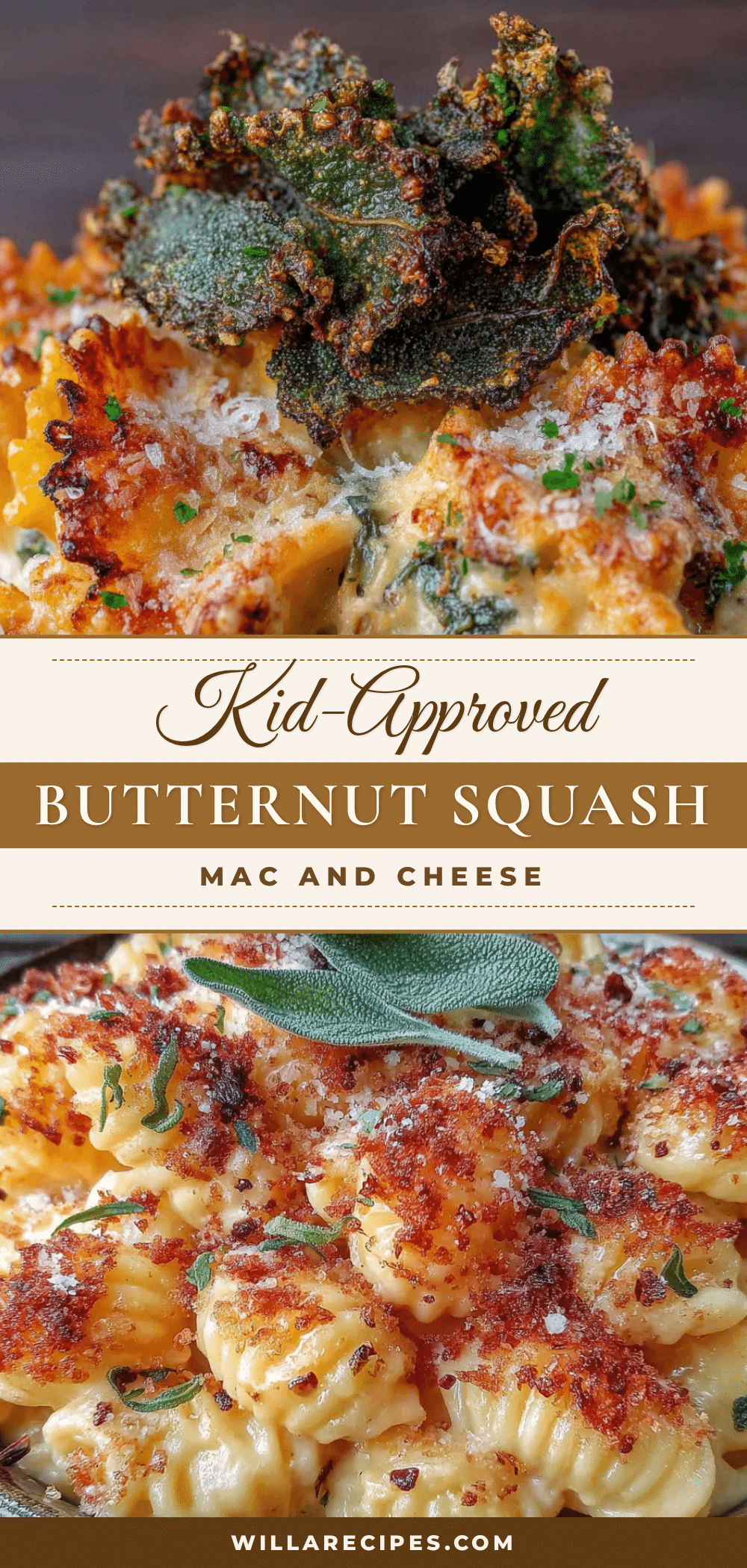
Kid-Approved Butternut Squash Mac and Cheese: Easy 30-Minute Meal

This creamy, cheesy mac and cheese hides a full serving of butternut squash, making it a family-friendly meal that comes together in just 30 minutes. The squash is cooked right in the pasta water for a silky sauce without extra roasting.
- Prep Time: 10 minutes
- Cook Time: 20 minutes
- Total Time: 30 minutes
- Yield: 4 servings 1x
- Category: Main Course
- Cuisine: American
Ingredients
- 2 cups butternut squash, peeled and cubed (about 1 small squash)
- 8 ounces elbow macaroni (about 2 cups dry)
- 1 ½ cups sharp cheddar cheese, shredded (from block)
- 1 cup whole milk
- 2 tablespoons unsalted butter
- ½ teaspoon garlic powder
- ¼ teaspoon mustard powder
- ½ teaspoon salt, plus more for pasta water
- ¼ teaspoon black pepper, freshly ground
- ⅛ teaspoon nutmeg (optional)
- ½ cup panko breadcrumbs (optional, for topping)
- 1 tablespoon melted butter (optional, for breadcrumbs)
Instructions
- Bring a large pot of salted water to a boil. Add the cubed butternut squash and elbow macaroni. Cook according to pasta package directions (8-10 minutes) until pasta is al dente and squash is fork-tender.
- Reserve 1 cup of the cooking water, then drain the pasta and squash. Set aside.
- Return the pot to the stove over medium-low heat. Add the butter and let it melt. Stir in garlic powder, mustard powder, salt, pepper, and nutmeg (if using). Cook for 30 seconds until fragrant.
- Pour in the milk and bring to a gentle simmer. Whisk to combine. Do not let it boil.
- Transfer the drained squash and ½ cup of the reserved pasta water to a blender. Blend until completely smooth, about 30-45 seconds. Add more pasta water if needed, 1 tablespoon at a time.
- Pour the squash puree into the pot with the milk mixture. Stir well. Bring to a gentle simmer over medium heat, stirring constantly.
- Reduce heat to low. Gradually add the shredded cheddar cheese, a handful at a time, stirring until each addition is fully melted before adding more.
- Add the drained pasta back to the pot. Stir until fully coated. If the sauce is too thick, add a splash of reserved pasta water. Adjust salt and pepper to taste.
- Optional: For a crunchy topping, transfer the mac and cheese to a baking dish. Mix breadcrumbs with melted butter and sprinkle on top. Broil for 2-3 minutes until golden and crispy.
- Serve immediately while hot and creamy.
Notes
For gluten-free, use gluten-free pasta and certified gluten-free breadcrumbs. For dairy-free, use unsweetened oat milk, dairy-free butter, and vegan cheddar shred. The sauce will be slightly thinner. Shred your own cheese for the smoothest melt. Reserve pasta water before draining—it helps the sauce cling to the pasta. The sauce thickens as it sits, so serve immediately or add a splash of milk when reheating.
Nutrition
- Serving Size: 1 cup
- Calories: 380
- Sugar: 8
- Sodium: 520
- Fat: 18
- Saturated Fat: 10
- Carbohydrates: 42
- Fiber: 4
- Protein: 16
Keywords: butternut squash mac and cheese, easy mac and cheese, 30 minute meal, kid-friendly, hidden vegetables, creamy mac and cheese, family dinner