It was 11:47 PM on a random Wednesday, and I had an undeniable craving for something sweet, savory, and deeply autumnal. I didn’t have the apples for a pie or the pumpkins for a soup, but I had two acorn squashes sitting in a bowl on my counter, looking at me with what I swear was judgment. I also had butter, maple syrup, and a vague memory of a brown butter sauce I’d botched once before. Honestly, I was tired and a little impulsive, and the idea of roasting squash in the dead of night felt like a small, weird rebellion against the sensible bedtimes of the world.
So I sliced them, scooped out the seeds, and tossed them with olive oil and salt. Then I made the brown butter—and let me tell you, I almost took it too far. I got distracted scrolling through my phone (classic mistake) and the butter went from nutty to “is that smoke?” in about three seconds. I yanked it off the heat, threw in the maple syrup, and drizzled it over the squash before I could mess it up any further. The result was so good I stood in my kitchen, fork in hand, eating straight from the baking sheet at midnight.
You know that feeling when a happy accident turns into a recipe you just have to share? That’s this one. It’s not fussy or fancy, but it has this way of making you feel like you’ve done something special. And honestly, if you’re hosting a dinner party or a festive get-together, this is the dish that will make people close their eyes at the table. It’s the one they’ll ask you for later. I keep making it because it steals the show without stealing your time—and that’s the kind of magic we all need in our back pocket.
Why You’ll Love This Recipe
This roasted acorn squash with maple brown butter isn’t just another side dish. It’s the kind of recipe that makes you look like a culinary hero with almost zero effort. I’ve tested it for holiday dinners, casual weeknight meals, and even a potluck where someone asked for the recipe before they finished chewing. Here’s why it works so well:
- Quick & Easy: Comes together in about 40 minutes, with only 10 minutes of active prep. Perfect for busy hosts who need a showstopper without the stress.
- Simple Ingredients: You probably already have acorn squash, butter, maple syrup, and salt in your kitchen. No fancy grocery trips required.
- Perfect for Hosting: This dish scales beautifully for a crowd. Double the recipe, pop it in the oven, and focus on your guests while it roasts.
- Crowd-Pleaser: Even people who “don’t like squash” change their minds after one bite. The maple brown butter is pure magic.
- Unbelievably Delicious: The edges get caramelized and crispy, the centers turn tender and buttery, and the sauce is nutty, sweet, and slightly salty. It’s comfort food that feels elegant.
What makes this version different from the rest? It’s the brown butter technique. Most recipes just toss squash with oil and maple syrup, but browning the butter first adds a deep, toasty flavor that transforms the dish. I learned this trick from a chef friend who told me, “Brown butter is cheating—but in the best way.” And she’s right. It’s not just another roasted squash recipe; it’s your best version.
This recipe is the one you make when you want to impress without breaking a sweat. It’s the side dish that steals the table, the one guests whisper about, and the one you’ll find yourself making even on random weeknights—because sometimes you just need a little bit of that magic.
What Ingredients You Will Need
This recipe uses simple, wholesome ingredients to deliver bold flavor and satisfying texture without the fuss. Most of these are pantry staples or easy to find at any grocery store. Let’s break down what you’ll need and why each ingredient matters.
For the Roasted Acorn Squash
- 2 medium acorn squashes (about 2.5 to 3 pounds total) – Look for squashes that feel heavy for their size with firm, unblemished skin. I prefer organic when available, but conventional works perfectly fine.
- 2 tablespoons olive oil – A good quality extra-virgin olive oil helps the squash caramelize beautifully. Avocado oil also works if that’s what you have.
- 1 teaspoon kosher salt – I use Diamond Crystal brand for its clean taste. If using table salt, reduce to ½ teaspoon.
- ½ teaspoon black pepper – Freshly ground is best, but pre-ground works in a pinch.
For the Maple Brown Butter
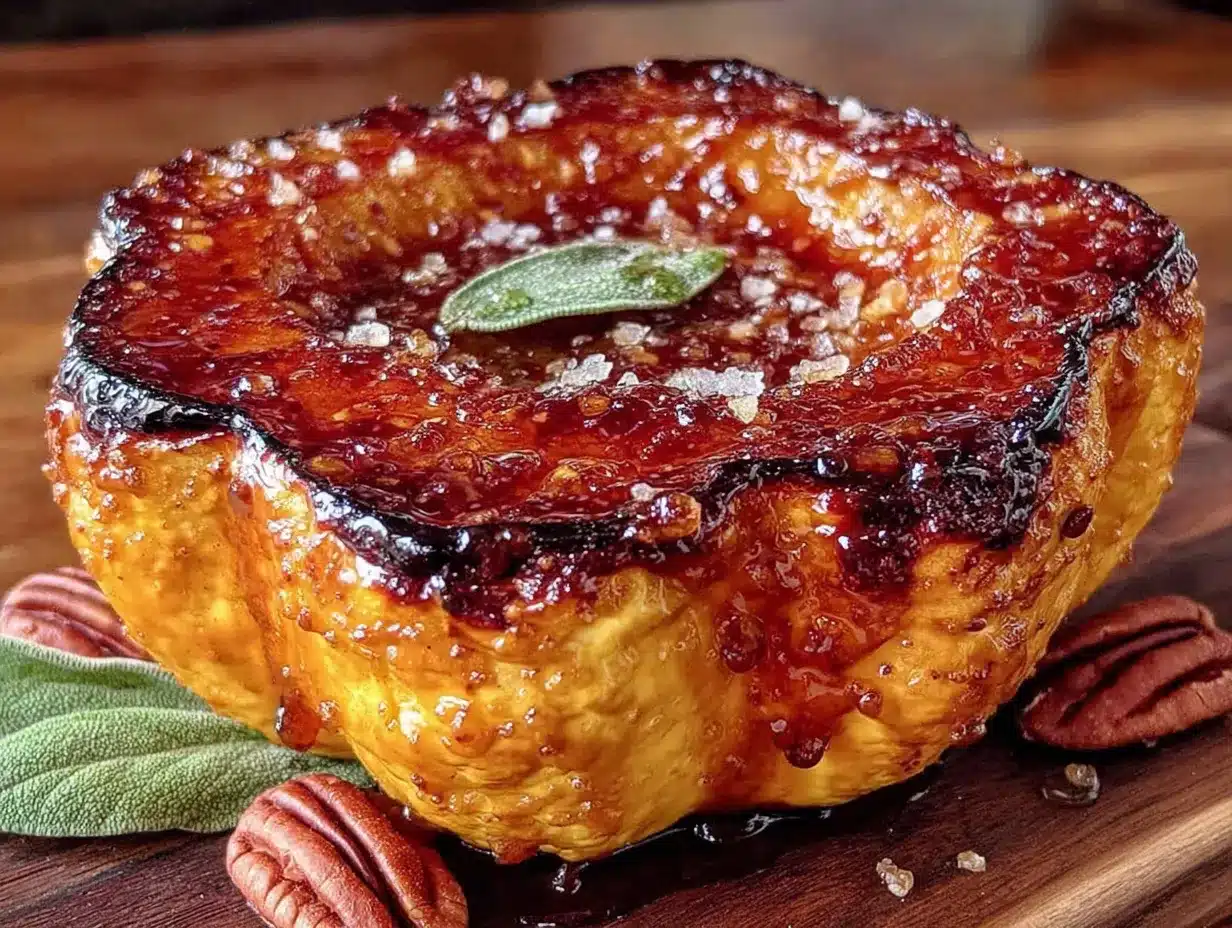
- 4 tablespoons unsalted butter – I recommend Kerrygold or Plugrà for their rich flavor and lower water content, which helps the butter brown more evenly.
- 3 tablespoons pure maple syrup – Not pancake syrup! Real maple syrup makes a huge difference here. Grade A amber is my go-to for its balanced sweetness.
- 1 tablespoon fresh thyme leaves (optional but highly recommended) – The earthy, slightly floral notes of thyme pair beautifully with the sweet maple and nutty brown butter. Strip the leaves from about 5 sprigs.
- ¼ teaspoon cinnamon – Adds warmth without overwhelming the dish. I prefer Vietnamese cinnamon for its stronger, sweeter profile.
- Pinch of flaky sea salt (like Maldon) – For finishing. Trust me, this little sprinkle makes a big difference.
Ingredient Substitutions
If you’re cooking for dietary restrictions or just working with what’s in your pantry, here are some swaps I’ve tested:
- Butter: Use vegan butter or coconut oil for a dairy-free version. The flavor will be slightly different, but still delicious.
- Maple syrup: Honey or agave nectar work in a pinch. Just note that honey has a stronger flavor that may compete with the brown butter.
- Thyme: Rosemary or sage are excellent alternatives. Use about 1 teaspoon of dried herbs if fresh isn’t available.
- Acorn squash: Butternut squash or delicata squash are great substitutes. Delicata doesn’t even need peeling, which saves time.
One tip I learned the hard way: don’t skip the salt on the squash before roasting. It draws out moisture and helps the edges caramelize instead of steaming. That golden, crispy edge is where all the flavor lives.
Equipment Needed
You don’t need a fully stocked kitchen to pull off this recipe, but having the right tools makes everything easier. Here’s what I use:
- Large baking sheet (18×13 inches or similar) – A rimmed baking sheet prevents any maple brown butter from dripping onto your oven floor. I love my Nordic Ware half-sheet pans—they’re affordable and last forever.
- Chef’s knife – A sharp 8-inch knife makes cutting through the tough squash skin much safer. Dull knives are actually more dangerous because they slip.
- Cutting board – Use a sturdy wooden or plastic board. I prefer a large wooden board because it doesn’t slide around as much.
- Small saucepan – For browning the butter. A light-colored pan (stainless steel or enameled) helps you see the color change clearly.
- Mixing bowl – For tossing the squash with oil and salt.
- Measuring spoons – Accuracy matters for the maple syrup and salt.
- Parchment paper (optional) – Lining the baking sheet makes cleanup a breeze. I use it every time.
If you don’t have a large baking sheet, you can use two smaller ones. Just make sure the squash slices are in a single layer with a little space between them—crowding leads to steaming instead of roasting. And if you don’t have a small saucepan, a medium skillet works fine for browning butter. I’ve done it in a frying pan before, and it actually browns faster because of the wider surface area.
Preparation Method
This recipe is straightforward, but a few small details make all the difference. Follow these steps, and you’ll have perfectly roasted squash every time.
- Preheat your oven to 400°F (200°C). Position the rack in the middle of the oven. While it heats, prepare the squash.
- Prep the acorn squash. Using a sharp chef’s knife, carefully cut each squash in half from stem to tip. Scoop out the seeds and stringy pulp with a spoon. (Save the seeds! You can roast them like pumpkin seeds for a snack.) Then slice each half into 1-inch thick half-moons. The skin is edible once roasted, so no need to peel.
- Season the squash. Place the squash slices in a large mixing bowl. Add the olive oil, kosher salt, and black pepper. Toss gently with your hands until every piece is evenly coated. Spread the slices in a single layer on your baking sheet, making sure they’re not touching. If they overlap, they’ll steam instead of caramelize.
- Roast the squash. Place the baking sheet in the preheated oven and roast for 25 minutes. After 25 minutes, flip each slice using tongs. Roast for another 10-15 minutes, until the edges are golden brown and crispy, and the centers are fork-tender. Total roasting time is about 35-40 minutes.
- Make the maple brown butter. While the squash roasts, place the butter in a small saucepan over medium heat. Stir occasionally as it melts. The butter will foam, then the foam will subside, and you’ll see brown specks forming at the bottom. This happens quickly—watch carefully! Once the butter smells nutty and turns a deep amber color (about 3-4 minutes), remove it from the heat immediately. Stir in the maple syrup, thyme leaves, and cinnamon. The mixture will bubble up a bit—that’s normal. Set aside.
- Finish and serve. Transfer the roasted squash to a serving platter. Drizzle the maple brown butter evenly over the top. Sprinkle with flaky sea salt and a few extra thyme leaves for garnish. Serve immediately while the squash is hot and the butter is glossy.
Pro tip from my own mistakes: Don’t walk away from the brown butter. I once got distracted answering a text, and within 30 seconds, the butter went from perfectly nutty to burnt and bitter. If you do accidentally burn it, just start over—it’s only 4 tablespoons of butter, and it’s worth doing right.
Cooking Tips & Techniques
Over the years, I’ve made this recipe more times than I can count, and I’ve picked up a few tricks along the way. Here’s what I wish someone had told me the first time:
Cut the squash evenly. This is the single most important step for even cooking. If some slices are thicker than others, the thin ones will burn while the thick ones stay hard. I aim for 1-inch thickness, and I use a ruler the first time until I get the hang of it. Yes, I’m that person.
Don’t overcrowd the pan. I know it’s tempting to cram everything onto one sheet to save dishes, but overcrowding traps steam and prevents caramelization. If your slices are touching, use a second baking sheet. The crispy edges are non-negotiable.
Use a light-colored pan for brown butter. Dark nonstick pans make it hard to see the color change. I use a stainless steel saucepan, and I watch for the moment when the foam subsides and the milk solids turn golden brown. That’s your window.
Make the brown butter while the squash roasts. This timing trick saves you from having to reheat the sauce later. The squash needs about 35 minutes total, so start the butter around the 25-minute mark. That way, everything finishes at the same time.
One mistake I’ll never make again: I once tried to make this with margarine because I was out of butter. Don’t do it. Margarine has a higher water content and won’t brown properly—it just separates into a greasy mess. Use real butter or a plant-based butter specifically designed for browning.
Variations & Adaptations
This recipe is wonderfully flexible. Here are a few ways I’ve adapted it for different occasions and diets:
Spicy Maple Brown Butter
Add ¼ teaspoon of cayenne pepper or red pepper flakes to the brown butter along with the maple syrup. The heat contrasts beautifully with the sweet squash. I made this version for a game day gathering, and it disappeared in minutes.
Vegan Version
Substitute the butter with a high-quality vegan butter (I like Miyoko’s) or coconut oil. For the maple syrup, use agave or date syrup. The texture will be slightly different, but the flavor is still fantastic. I’ve served this to vegan friends who asked for seconds.
Herb-Infused Variation
Swap the thyme for fresh rosemary or sage. Rosemary adds a piney, aromatic note that pairs well with the maple. Sage gives it an earthy, almost savory quality. I prefer sage in the fall and rosemary in the winter—it just feels right.
Roasted Squash with Pomegranate
After drizzling the brown butter, sprinkle fresh pomegranate arils over the top. The bright, tart pop of the seeds cuts through the richness. This is my go-to for holiday dinners because it looks stunning on the table.
Air Fryer Adaptation
If you’re short on time, you can make this in an air fryer. Toss the squash with oil and salt, then air fry at 375°F (190°C) for 12-15 minutes, shaking halfway through. Make the brown butter on the stovetop as usual. The air fryer version is crispier and cooks faster, but you’ll need to work in batches.
Serving & Storage Suggestions
This roasted acorn squash is best served hot, straight from the oven, with the maple brown butter glossy and warm. But here’s how to handle leftovers and make-ahead scenarios:
Serving temperature: Serve immediately after drizzling with the brown butter. The contrast between the warm squash and the glossy sauce is part of the magic. If you’re hosting, you can roast the squash up to 2 hours ahead and reheat it in a 350°F oven for 10 minutes before adding the butter.
What to serve alongside: This dish pairs beautifully with roasted chicken, pork tenderloin, or a hearty grain salad. For a vegetarian main, serve it over creamy polenta or alongside a lentil stew. I once served it with a simple arugula salad dressed with lemon vinaigrette, and the peppery greens balanced the sweetness perfectly.
Storage: Leftover squash keeps in an airtight container in the refrigerator for up to 4 days. The texture softens slightly upon reheating, but the flavor remains delicious.
Reheating: The best way to reheat is in a 350°F oven for about 10 minutes. The microwave works in a pinch, but the squash will be softer and less caramelized. If you’re reheating the brown butter separately, warm it gently on the stovetop or in the microwave in 10-second bursts.
Flavor development: Honestly, the flavors meld together even more after a day in the fridge. I’ve been known to make extra just so I can eat the leftovers cold, straight from the container. Don’t judge me until you try it.
Nutritional Information & Benefits
This recipe is as nourishing as it is delicious. Here’s a rough breakdown per serving (based on 4 servings):
| Nutrient | Amount per Serving |
|---|---|
| Calories | 220 |
| Total Fat | 14g |
| Saturated Fat | 7g |
| Carbohydrates | 24g |
| Fiber | 4g |
| Sugar | 10g |
| Protein | 2g |
| Vitamin A | 45% DV |
| Vitamin C | 30% DV |
Acorn squash is packed with vitamin A (from beta-carotene), which supports eye health and immune function. It’s also a good source of fiber, which aids digestion and keeps you feeling full. The maple syrup provides quick energy, while the butter adds healthy fats that help absorb the fat-soluble vitamins. If you’re watching your sugar intake, you can reduce the maple syrup to 2 tablespoons—it’s still plenty sweet.
From a wellness perspective, this dish fits well into a balanced diet. It’s naturally gluten-free and vegetarian. For a lower-calorie version, use only 2 tablespoons of butter and skip the flaky salt finish. But honestly? I think the full-fat version is worth every bite.
Conclusion
This crowd-pleasing roasted acorn squash with maple brown butter is the recipe I turn to again and again—whether I’m hosting a holiday dinner, bringing a dish to a potluck, or just craving something cozy on a random Tuesday night. It’s proof that simple ingredients, treated with a little care, can create something truly memorable.
I love that this recipe lets me be both lazy and impressive at the same time. It doesn’t demand hours of prep or a dozen dirty dishes. It just asks for a little patience while the oven does the work, and a little attention when the butter starts to brown. And the payoff? Pure magic on a plate.
Now I’d love to hear from you. Have you tried this recipe? Did you add your own twist? Maybe you swapped in rosemary or added a pinch of cayenne? Drop a comment below and tell me about it—I read every single one. And if you loved it, share it with a friend who needs a showstopper side dish in their life. Happy cooking, friend!
Frequently Asked Questions
Can I peel the acorn squash before roasting?
You can, but I don’t recommend it. The skin is edible and becomes tender and slightly chewy when roasted, adding texture. Plus, peeling raw acorn squash is a pain—the ridges make it really hard to get a clean cut. If you really dislike the skin, roast the squash first and scoop the flesh out with a spoon.
Can I make this recipe ahead of time?
Yes! You can roast the squash up to 2 hours ahead and reheat it in a 350°F oven for 10 minutes before serving. Make the brown butter fresh just before serving for the best texture and flavor. If you need to prep even further ahead, you can cut the squash and store the slices in the fridge for up to 24 hours.
What if I don’t have maple syrup?
Honey or agave nectar are the best substitutes. Honey has a stronger flavor that pairs well with the brown butter, while agave is milder and more neutral. Avoid pancake syrup—it’s corn syrup based and won’t give you the same depth of flavor.
Can I use a different type of squash?
Absolutely. Butternut squash, delicata squash, or even kabocha squash all work beautifully. Delicata has thin, edible skin and roasts faster, so check it at 20 minutes. Butternut is denser and may need 5-10 extra minutes. Adjust your roasting time based on the variety you choose.
How do I know when the brown butter is done?
Watch for three signs: the butter will foam up, then the foam will subside, and you’ll see tiny brown specks forming at the bottom of the pan. It will smell nutty and toasty—like toasted hazelnuts. As soon as you see those brown specks and smell that nutty aroma, remove the pan from the heat. It happens fast, so don’t walk away!
Pin This Recipe!
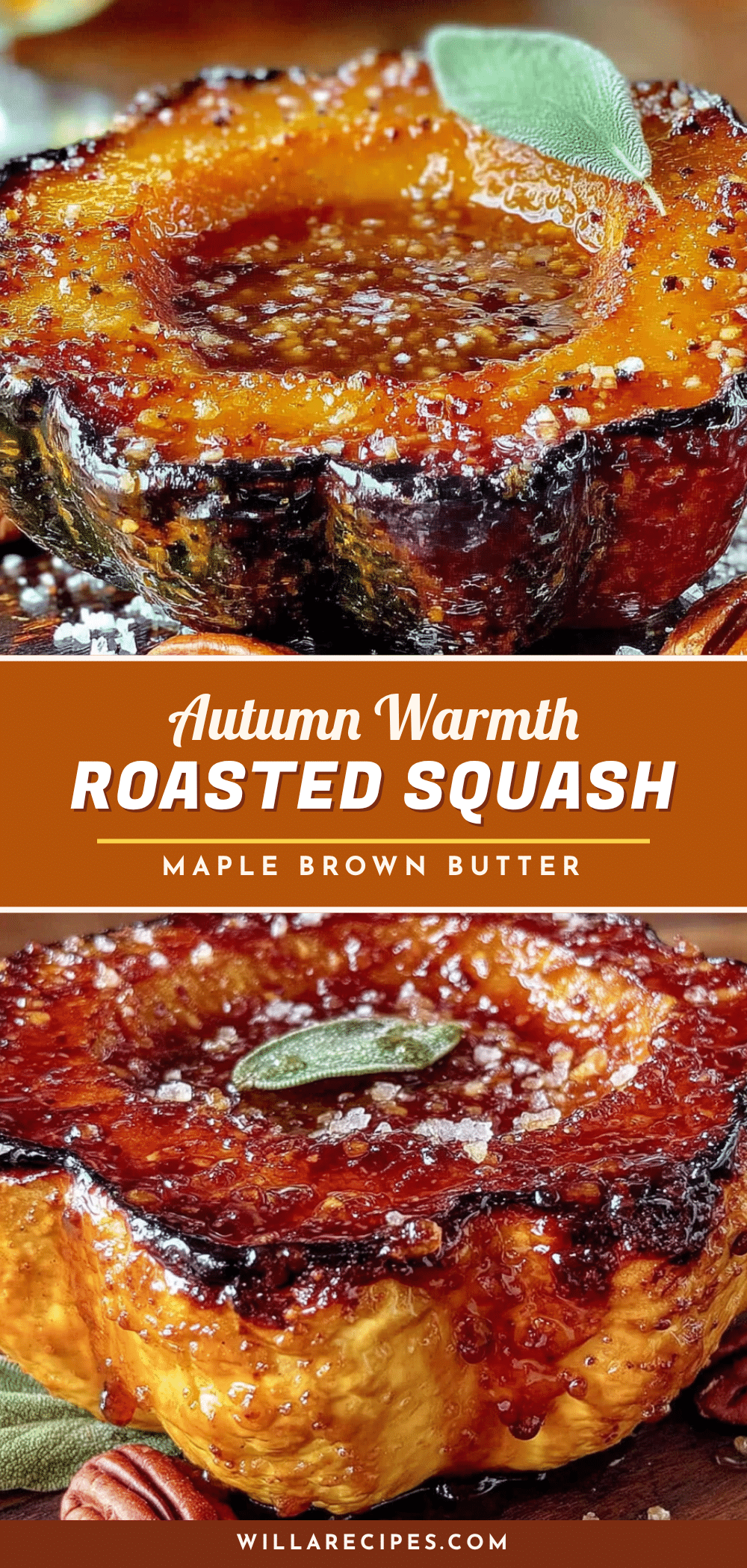
Crowd-Pleasing Roasted Acorn Squash with Easy Maple Brown Butter
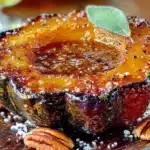
This roasted acorn squash with maple brown butter is a quick and easy side dish that steals the show. With caramelized edges, tender centers, and a nutty-sweet sauce, it’s perfect for holiday dinners or cozy weeknights.
- Prep Time: 10 minutes
- Cook Time: 35 minutes
- Total Time: 45 minutes
- Yield: 4 servings 1x
- Category: Side Dish
- Cuisine: American
Ingredients
- 2 medium acorn squashes (about 2.5 to 3 pounds total)
- 2 tablespoons olive oil
- 1 teaspoon kosher salt
- ½ teaspoon black pepper
- 4 tablespoons unsalted butter
- 3 tablespoons pure maple syrup
- 1 tablespoon fresh thyme leaves (optional)
- ¼ teaspoon cinnamon
- Pinch of flaky sea salt (for finishing)
Instructions
- Preheat your oven to 400°F (200°C). Position the rack in the middle of the oven.
- Prep the acorn squash: Cut each squash in half from stem to tip. Scoop out the seeds and stringy pulp. Slice each half into 1-inch thick half-moons.
- Season the squash: Place the squash slices in a large mixing bowl. Add olive oil, kosher salt, and black pepper. Toss gently until evenly coated. Spread in a single layer on a baking sheet, ensuring slices are not touching.
- Roast the squash: Place the baking sheet in the oven and roast for 25 minutes. Flip each slice using tongs, then roast for another 10-15 minutes until edges are golden brown and centers are fork-tender (total 35-40 minutes).
- Make the maple brown butter: While the squash roasts, place butter in a small saucepan over medium heat. Stir occasionally as it melts. The butter will foam, then the foam will subside, and brown specks will form at the bottom. Once it smells nutty and turns deep amber (about 3-4 minutes), remove from heat immediately. Stir in maple syrup, thyme leaves, and cinnamon. Set aside.
- Finish and serve: Transfer roasted squash to a serving platter. Drizzle maple brown butter evenly over the top. Sprinkle with flaky sea salt and extra thyme leaves for garnish. Serve immediately.
Notes
Don’t walk away from the brown butter—it can burn quickly. If you accidentally burn it, start over with fresh butter. For even cooking, cut squash slices uniformly to 1-inch thickness. Avoid overcrowding the pan to ensure caramelization.
Nutrition
- Serving Size: 1 serving
- Calories: 220
- Sugar: 10
- Sodium: 480
- Fat: 14
- Saturated Fat: 7
- Carbohydrates: 24
- Fiber: 4
- Protein: 2
Keywords: roasted acorn squash, maple brown butter, easy side dish, holiday side, vegetarian, gluten-free