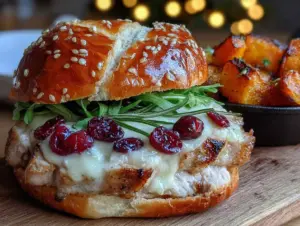
There used to be a tiny French bistro on the corner of Elm and 4th in my old neighborhood—Le Petit Coin, they called it—that made a roasted chicken with brown butter and sage that I still dream about. When they closed suddenly after the pandemic, I felt like I’d lost an old friend. I mean, honestly, I mourned that chicken. After twelve tries—twelve, let me tell you, some of them were real disasters—I finally got it. But I adapted it for turkey breast, because sometimes you want that rich, nutty, sage-y magic without roasting a whole bird for hours. You know that feeling when you just want something fast but still special?
The first time I made this brown butter sage turkey breast, I actually forgot to set a timer. I was so busy texting my sister about her dog’s latest mischief that I almost burned the butter. There I was, frantically whisking, the kitchen smelling like toasted hazelnuts and Thanksgiving, and I thought, “This is it. This is the one.” The turkey came out golden, the sage leaves crispy, and the whole thing was on the table in under 30 minutes. I stood there eating it straight from the pan, no plate, no shame. Maybe you’ve been there—that moment when a recipe just clicks, and you know you’ll make it a hundred more times.
This quick brown butter sage turkey breast for two is that recipe for me. It’s the weeknight hero I never knew I needed. It feels fancy—like you spent hours in the kitchen—but it’s really just a few simple steps and a whole lot of flavor. Perfect for when you want a cozy dinner that doesn’t demand your whole evening. And honestly? It’s even better than that bistro chicken ever was. Sorry, Le Petit Coin. I’ve moved on.
Why You’ll Love This Recipe
Let’s be real for a second. Weeknight cooking can feel like a chore. You’re tired, the day was long, and the last thing you want is a complicated recipe with a million dishes. This brown butter sage turkey breast is the opposite of that. It’s quick, it’s forgiving, and it tastes like you actually tried. Here’s why it’s going to become your new go-to:
- Quick & Easy: From start to finish, this comes together in under 30 minutes. Seriously. No brining, no marinating, no fuss. Just brown the butter, sear the turkey, and let the oven do the rest. Perfect for those nights when you walk in the door hungry and need dinner on the table fast.
- Simple Ingredients: You likely already have butter, sage, and a few pantry staples in your kitchen right now. No fancy grocery trips, no obscure spices. Just honest, good food that works.
- Perfect for a Cozy Dinner for Two: This recipe is sized just right for two people. No leftovers to deal with (unless you want them, in which case, double it). It feels special enough for a date night but easy enough for a random Tuesday.
- Crowd-Pleaser: Even folks who say they don’t love turkey will change their tune after one bite of this. The brown butter adds a nutty richness, and the sage brings that earthy, aromatic flavor that just screams comfort. It’s a guaranteed hit.
- Unbelievably Delicious: The texture is what gets me every time. The turkey breast stays juicy and tender on the inside, while the outside gets this gorgeous golden-brown crust from the brown butter. And those crispy sage leaves on top? Absolute perfection. It’s the kind of meal that makes you close your eyes after the first bite.
What makes this recipe different from all the other turkey breast recipes out there? It’s the technique. Instead of roasting a whole breast for an hour, we’re using a hot pan to get a beautiful sear, then finishing it in the oven with that glorious brown butter sauce. It’s a restaurant trick that works like a charm at home. The brown butter isn’t just a flavor—it’s a cooking method. It bastes the turkey as it cooks, keeping it moist and infusing every bite with that nutty, toasty goodness. This isn’t just another version of turkey breast. It’s your best version.
I made this for my friend Jenna last week, and she texted me the next day asking for the recipe. She said, and I quote, “I ate it over the sink because I couldn’t wait to sit down.” That’s the kind of energy this recipe brings. It’s comfort food reimagined—faster, simpler, but with the same soul-soothing satisfaction. Perfect for impressing your partner without stress, or turning a simple Wednesday into something memorable.
What Ingredients You Will Need
This recipe uses simple, wholesome ingredients to deliver bold flavor and satisfying texture without the fuss. Most of these are pantry staples, which is exactly what you want on a busy weeknight. Here’s what you’ll need and why each one matters:
- Turkey Breast (about 1 pound or 450g): Look for a boneless, skinless turkey breast half. You want it to be relatively even in thickness so it cooks evenly. If you can find a butterflied breast, even better. I usually grab mine from the butcher counter at my local grocery store. If you’re feeding two hungry people, get a slightly larger one—about 1.25 pounds works great.
- Unsalted Butter (4 tablespoons or 56g): This is the star of the show. We’re browning it, which means we need real butter, not margarine. Unsalted gives us control over the salt level. I recommend using a good-quality European-style butter like Kerrygold or Plugrà for the richest flavor. The higher fat content browns more beautifully and adds that nutty depth we’re after.
- Fresh Sage Leaves (8-10 leaves): Fresh is non-negotiable here. Dried sage just won’t give you the same aromatic punch or that lovely crispy texture. Look for leaves that are bright green and fragrant, without any wilting. You’ll use half of them in the butter and half as a crispy garnish. If you grow sage in your garden, even better—freshly picked is unbeatable.
- Garlic (2 cloves, smashed): We’re not mincing it here, just smashing the cloves with the flat side of your knife. This lets the garlic infuse the butter without burning, which would make it bitter. It adds a subtle warmth that complements the sage beautifully.
- Salt (1 teaspoon or 5g): I use kosher salt for almost everything. Diamond Crystal is my go-to because it’s less salty by volume, so it’s harder to over-salt. If you’re using table salt, reduce the amount to about ¾ teaspoon.
- Black Pepper (½ teaspoon or 1g, freshly ground): Freshly ground pepper makes a real difference here. It adds a gentle heat and complexity that pre-ground pepper just can’t match. Plus, it looks pretty on the final dish.
- Olive Oil (1 tablespoon or 15ml): A little olive oil helps the turkey brown nicely and gives the butter a higher smoke point, so it doesn’t burn too quickly. Use a good extra-virgin olive oil if you have it, but regular olive oil works fine too.
- Chicken or Turkey Broth (¼ cup or 60ml): This deglazes the pan after cooking, picking up all those delicious browned bits (the fond) and turning them into a quick, flavorful sauce. Low-sodium broth is best so you can control the salt level. If you don’t have broth, a splash of white wine or even water works in a pinch.
- Lemon Juice (1 teaspoon or 5ml, optional): A tiny squeeze of lemon at the end brightens everything up. It cuts through the richness of the brown butter and makes the flavors sing. Don’t skip it if you have a lemon on hand—it’s a small addition with a big payoff.
Substitution Guidance: If you don’t have fresh sage, you can use dried, but reduce the amount to about 1 teaspoon and add it to the butter rather than frying it. For a dairy-free version, use a high-quality plant-based butter that’s designed for browning—Miyoko’s works well. You can also swap the turkey breast for chicken breast; just adjust the cooking time slightly (chicken cooks a bit faster). If you’re gluten-free, this recipe is naturally gluten-free as written.
Equipment Needed
You don’t need a lot of fancy gear for this recipe, which is exactly how I like it on a weeknight. Here’s what you’ll need:
- Oven-Safe Skillet (10-inch or 25cm): This is the most important tool. You need a skillet that can go from stovetop to oven. Cast iron is my absolute favorite for this—it heats evenly, holds heat beautifully, and gives you that gorgeous golden crust. If you don’t have cast iron, a stainless steel or oven-safe nonstick skillet works too. Just make sure the handle is oven-safe (no plastic handles). I’ve been using my trusty Lodge cast iron for years, and it’s never let me down.
- Instant-Read Thermometer: This is non-negotiable for perfectly cooked turkey. Turkey breast cooks fast, and it’s easy to overcook it into dry, sad territory. An instant-read thermometer takes the guesswork out. I like the Thermapen, but any reliable digital thermometer will do. Probe the thickest part of the breast, and pull it at 155°F (68°C)—it will carry over to 160°F as it rests.
- Meat Mallet or Rolling Pin: If your turkey breast isn’t even in thickness, you’ll want to pound it to about ¾-inch thickness. This ensures it cooks evenly. A meat mallet is ideal, but a rolling pin or even a heavy-bottomed pan works in a pinch. Just cover the turkey with plastic wrap or parchment paper to avoid splatters.
- Tongs: For flipping the turkey and handling those hot sage leaves. Silicone-tipped tongs are great because they won’t scratch your pan. I have a pair of OXO Good Grips that I reach for every single time.
- Cutting Board: For resting the turkey after cooking. A wooden or plastic board works fine. Let the turkey rest for at least 5 minutes before slicing—this keeps the juices inside where they belong.
- Sharp Knife: A good chef’s knife makes slicing the rested turkey a breeze. You want clean, even slices. I use a Wüsthof 8-inch chef’s knife, but any sharp knife will do. A dull knife is a recipe for frustration and uneven slices.
Budget-Friendly Options: You can find a perfectly good cast iron skillet at most thrift stores for under $10. Lodge makes an affordable 10-inch skillet that’s around $20 new and will last a lifetime. Digital thermometers can be found for as little as $10 online—just make sure it reads quickly and accurately. Don’t overspend on equipment; a simple setup works beautifully.
Preparation Method
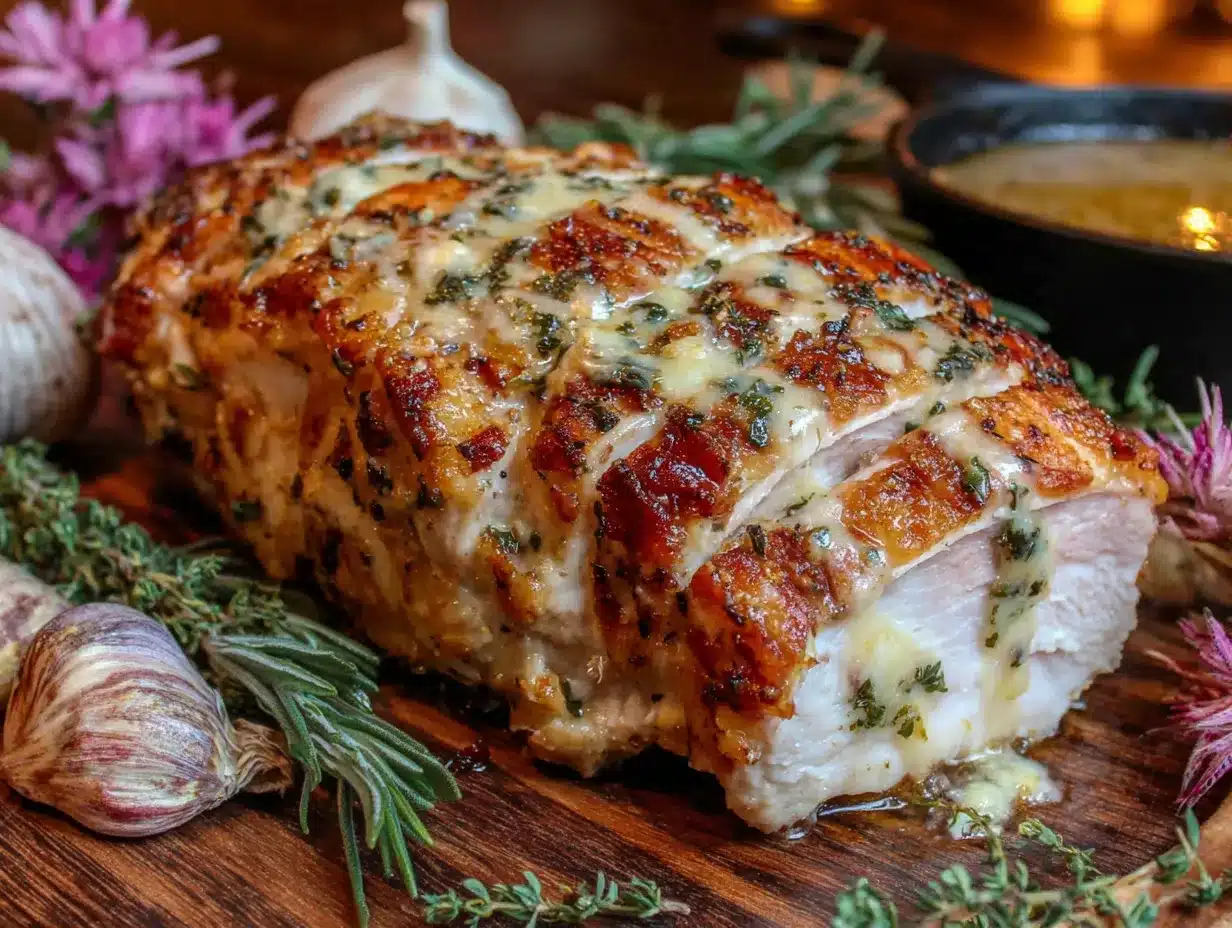
Alright, let’s get cooking. This whole thing comes together in about 25 minutes, so it’s perfect for a busy weeknight. Here’s the step-by-step:
- Prep the Turkey: Start by patting your turkey breast dry with paper towels. This is crucial—moisture is the enemy of a good sear. If the breast is uneven in thickness, place it between two pieces of plastic wrap and gently pound it with a meat mallet or rolling pin until it’s about ¾-inch thick all over. Season both sides generously with salt and pepper. Let it sit at room temperature for about 10 minutes while you get the other ingredients ready. This helps it cook more evenly.
- Brown the Butter: Place your oven-safe skillet over medium heat and add the butter. Let it melt completely, then swirl the pan occasionally. After about 3-4 minutes, the butter will start to foam and then turn a lovely golden-brown color. You’ll smell a nutty aroma—that’s the signal. Watch it carefully because it can go from brown to burnt in seconds. As soon as it’s golden and smells nutty, add the smashed garlic cloves and half of the sage leaves. Let them sizzle for about 30 seconds, then use tongs to remove the sage leaves and set them aside on a paper towel. They’ll crisp up as they cool.
- Sear the Turkey: Add the olive oil to the brown butter in the skillet and swirl to combine. Carefully place the seasoned turkey breast in the hot pan. You should hear a satisfying sizzle. Let it cook undisturbed for 3-4 minutes, until the bottom is deep golden brown. Use tongs to flip the turkey. Cook for another 2-3 minutes on the second side. The goal here is a gorgeous crust, not to cook it all the way through.
- Finish in the Oven: Preheat your oven to 400°F (200°C) if you haven’t already. Pour the chicken broth into the skillet around the turkey—not directly on top, or you’ll wash away that beautiful crust. Add the remaining fresh sage leaves. Transfer the skillet to the preheated oven. Roast for 8-12 minutes, depending on the thickness of your breast. The turkey is done when an instant-read thermometer inserted into the thickest part reads 155°F (68°C). Remember, it will carry over to 160°F as it rests.
- Rest and Make the Sauce: Using tongs, transfer the turkey to a cutting board and tent it loosely with foil. Let it rest for at least 5 minutes. While it rests, place the skillet back on the stovetop over medium heat. Add a splash more broth if needed and scrape up any browned bits from the bottom of the pan. Let the sauce simmer for about a minute until it thickens slightly. Stir in the lemon juice if using. Taste and adjust seasoning with salt and pepper.
- Slice and Serve: After the turkey has rested, slice it against the grain into ½-inch thick pieces. Arrange the slices on a warm plate. Spoon the brown butter sauce over the top. Garnish with the crispy sage leaves you set aside earlier and any fresh sage leaves from the oven. Serve immediately, with any extra sauce on the side.
Troubleshooting Tips: If your butter starts to burn instead of brown, your heat is too high. Lower it and start again with fresh butter. If the turkey is browning too fast in the oven, reduce the temperature to 375°F. If the sauce is too thin, let it simmer for an extra minute or two to reduce. If it’s too thick, add a splash of broth. And if the sage leaves aren’t crisping up, your butter might not be hot enough—make sure it’s sizzling before you add them.
Cooking Tips & Techniques
I’ve made this recipe more times than I can count, and I’ve learned a few things along the way. Here are my best tips for getting it perfect every time:
Master the Brown Butter: This is the heart of the recipe. The key is patience and attention. Use a light-colored pan if you have one—it makes it easier to see the color change. Swirl the pan constantly once the butter melts. When it starts to foam, that’s the water evaporating. The foam will subside, and then you’ll see tiny brown specks forming at the bottom. That’s the milk solids toasting. The moment it smells nutty and looks golden, it’s ready. Don’t walk away from it—brown butter can go from perfect to burnt in about 15 seconds.
Don’t Overcrowd the Pan: This recipe is for two, so a 10-inch skillet gives you plenty of room. If you’re doubling the recipe, use a larger skillet or cook the turkey in batches. Overcrowding lowers the pan temperature and causes the turkey to steam instead of sear. You want that beautiful golden crust, not pale, sad turkey.
Let It Rest: I know it’s tempting to slice into that turkey right away, but patience pays off. Resting allows the juices to redistribute throughout the meat. If you cut too soon, those juices will run out onto the cutting board, leaving you with dry turkey. Five minutes is all it takes. Use that time to finish the sauce and set the table.
Use a Thermometer: I cannot stress this enough. Turkey breast is lean and cooks fast. A few minutes too long in the oven, and you’ve got dry, stringy meat. An instant-read thermometer is your best friend. Insert it into the thickest part of the breast, avoiding the bone if you’re using a bone-in breast. Pull it at 155°F, and it will carry over to a perfect 160°F while resting. Trust the thermometer, not the clock.
Make It a One-Pan Meal: While the turkey is resting, you can add some quick-cooking vegetables to the same skillet. Throw in some green beans, asparagus, or sliced mushrooms and sauté them in the remaining brown butter sauce for 3-4 minutes. It’s a great way to get your veggies in with minimal cleanup. I’ve done this with haricots verts and cherry tomatoes, and it was fantastic.
Variations & Adaptations
One of the best things about this recipe is how versatile it is. Here are some ways to make it your own:
- Herb Swap: Not a fan of sage? No problem. Try fresh thyme, rosemary, or a mix of both. Thyme adds an earthy, slightly lemony flavor that pairs beautifully with brown butter. Rosemary is more piney and bold—use it sparingly, as it can be overpowering. You can also use a combination of sage and thyme for a more complex flavor profile.
- Citrus Twist: Add the zest of half a lemon or orange to the brown butter along with the garlic. The citrus oils will infuse the butter with a bright, aromatic note that cuts through the richness. Finish with a squeeze of the same citrus juice in the sauce. I’ve done this with blood oranges in the winter, and it’s stunning.
- Spicy Kick: For a little heat, add a pinch of red pepper flakes to the brown butter along with the garlic. You can also add a thinly sliced fresh chili, like a serrano or Fresno, to the sauce at the end. The heat plays beautifully with the nutty butter and savory sage. My husband loves this version—he says it wakes up the whole dish.
- Nutty Addition: Toast some chopped hazelnuts or pecans in the brown butter before adding the turkey. They’ll add a wonderful crunch and extra nutty flavor. Just be careful not to burn them—they toast quickly. I did this accidentally once (I was trying to toast them for a salad) and ended up throwing them into the pan. Best mistake I ever made.
- Dairy-Free Adaptation: Use a high-quality vegan butter that’s designed for browning. Miyoko’s European Style Cultured Vegan Butter works beautifully. The technique is the same, though the browning process may take slightly longer. The flavor is still rich and satisfying.
- Different Protein: This method works beautifully with chicken breasts, pork tenderloin, or even thick fish fillets like salmon or cod. Adjust cooking times accordingly—chicken and pork are similar to turkey, while fish will cook much faster (about 4-6 minutes in the oven).
Serving & Storage Suggestions
This brown butter sage turkey breast is a star on its own, but the right sides can turn it into a memorable meal. Here’s how I like to serve it:
Serving Temperature and Presentation: Serve the turkey warm, straight from the skillet if you’re going for rustic charm. Slice it against the grain and fan the slices out on a warm plate. Spoon the brown butter sauce generously over the top. Garnish with the crispy sage leaves and a sprinkle of flaky sea salt for a beautiful finish. The golden sauce against the white meat and green sage is just gorgeous.
Complementary Dishes: This turkey pairs beautifully with simple sides that let it shine. Mashed potatoes are a classic—the creamy texture soaks up that brown butter sauce perfectly. Roasted vegetables like asparagus, Brussels sprouts, or green beans are excellent choices. A simple arugula salad with lemon vinaigrette adds a fresh, peppery contrast. For something starchy, try roasted baby potatoes or a wild rice pilaf. If you’re feeling indulgent, serve it with buttery egg noodles.
Beverage Pairings: A crisp white wine like Sauvignon Blanc or unoaked Chardonnay complements the nutty brown butter beautifully. For red wine lovers, a light Pinot Noir works wonderfully. If you’re not drinking wine, try a sparkling water with a squeeze of lemon or a dry cider. The acidity in these drinks cuts through the richness of the dish.
Storage Instructions: Store any leftover turkey in an airtight container in the refrigerator for up to 3 days. The sauce can be stored separately or poured over the turkey—it will thicken as it cools. To reheat, place the turkey and sauce in a skillet over medium-low heat, adding a splash of broth or water to loosen the sauce. Cover and heat gently for 5-7 minutes, until warmed through. Avoid microwaving, as it can dry out the turkey.
Freezing Instructions: This recipe freezes well for up to 2 months. Let the turkey cool completely, then wrap it tightly in plastic wrap and place in a freezer-safe bag. Freeze the sauce separately in a small container. To reheat, thaw overnight in the refrigerator, then reheat gently in a skillet as described above. The texture won’t be quite as perfect as fresh, but it’s still delicious for a quick dinner.
Flavor Development: The flavors actually meld and deepen overnight. The turkey absorbs more of that brown butter goodness, and the sage becomes more pronounced. Leftovers are often even better the next day—perfect for a quick lunch over a salad or in a sandwich.
Nutritional Information & Benefits
This recipe isn’t just delicious—it’s also packed with nutritional benefits. Here’s a quick overview:
| Nutrient | Amount Per Serving |
|---|---|
| Calories | 380-420 |
| Protein | 45-50g |
| Fat | 20-25g |
| Saturated Fat | 12-15g |
| Carbohydrates | 1-2g |
| Fiber | 0g |
| Sugar | 0g |
| Sodium | 600-800mg |
Health Benefits: Turkey breast is an excellent source of lean protein, which is essential for muscle repair and keeping you feeling full and satisfied. It’s also rich in B vitamins, particularly B6 and B12, which support energy metabolism and brain health. Sage is a powerhouse of antioxidants and has anti-inflammatory properties. Brown butter, while indulgent, contains conjugated linoleic acid (CLA), which has been linked to various health benefits when consumed in moderation.
Dietary Considerations: This recipe is naturally gluten-free, low-carb, and keto-friendly. It’s also suitable for those following a Paleo diet. The main allergens are dairy (butter) and potentially tree nuts if you add the nut variation. For a dairy-free version, use the vegan butter substitution mentioned earlier. As always, consult with a healthcare professional for personalized dietary advice.
Personal Wellness Perspective: I love that this recipe feels indulgent but is actually quite balanced. It’s a satisfying meal that doesn’t leave you feeling heavy or sluggish. The protein keeps you full, and the healthy fats from the butter provide sustained energy. It’s the kind of meal that nourishes both body and soul—exactly what a weeknight dinner should be.
Conclusion
This quick brown butter sage turkey breast for two is more than just a recipe—it’s a weeknight lifesaver. It’s proof that you don’t need hours in the kitchen or a long list of ingredients to create something truly special. With just a few simple steps and a whole lot of flavor, you can have a restaurant-quality dinner on the table in under 30 minutes. Honestly, it’s the kind of meal that makes you feel like you’ve got your act together, even on the most chaotic of days.
I hope you give this recipe a try and make it your own. Maybe you’ll add a little extra sage, or a squeeze of lemon, or a pinch of red pepper flakes. That’s the beauty of cooking—it’s all about making it work for you. Don’t be afraid to experiment and adjust based on what you have in your fridge or what sounds good to you that night.
This recipe has become a staple in my kitchen, and I have a feeling it will become one in yours too. It’s the kind of dish that brings people together, that makes a Tuesday feel like a celebration, that reminds us that good food doesn’t have to be complicated. So go ahead—brown that butter, sear that turkey, and enjoy every single bite. And when you do, come back and let me know how it turned out. I’d love to hear about your own little tweaks and triumphs. Happy cooking!
Frequently Asked Questions
Can I use dried sage instead of fresh?
You can, but I really recommend fresh sage for this recipe. Dried sage has a more concentrated, slightly musty flavor that doesn’t crisp up the same way. If you’re in a pinch, use about 1 teaspoon of dried sage and add it to the brown butter rather than trying to fry it. The flavor will still be good, just not quite as bright and aromatic.
How do I know when the turkey is done without a thermometer?
While a thermometer is the most reliable method, you can check for doneness by cutting into the thickest part of the breast. The juices should run clear, and the meat should be opaque all the way through with no pinkness. The internal temperature should be 160°F (71°C) when fully cooked. If you don’t have a thermometer, I’d recommend picking one up—they’re inexpensive and take the guesswork out of cooking poultry.
Can I make this recipe with chicken instead of turkey?
Absolutely! This method works beautifully with boneless, skinless chicken breasts. The cooking time will be slightly shorter—about 6-8 minutes in the oven instead of 8-12 minutes. Use the same temperature (400°F) and check for doneness at 160°F for chicken. The brown butter sage flavor pairs just as wonderfully with chicken as it does with turkey.
What can I substitute for the sage if I don’t have any?
If you don’t have sage, try fresh thyme or rosemary. Thyme is the closest substitute in terms of earthiness and pairs beautifully with brown butter. Rosemary is more piney and aromatic—use it sparingly, as it can be overpowering. You can also use a mix of dried herbs like thyme, marjoram, and a pinch of rubbed sage if that’s what you have on hand.
Can I double this recipe for four people?
Yes, you can easily double this recipe. Use a larger skillet (12-inch) to avoid overcrowding the pan. You may need to cook the turkey in batches for the searing step to ensure a good crust. For the oven, you might need to add a few extra minutes of cooking time—check the internal temperature at 10 minutes and go from there. The sauce can be doubled as well, just keep an eye on the butter as it browns to make sure it doesn’t burn.
Pin This Recipe!
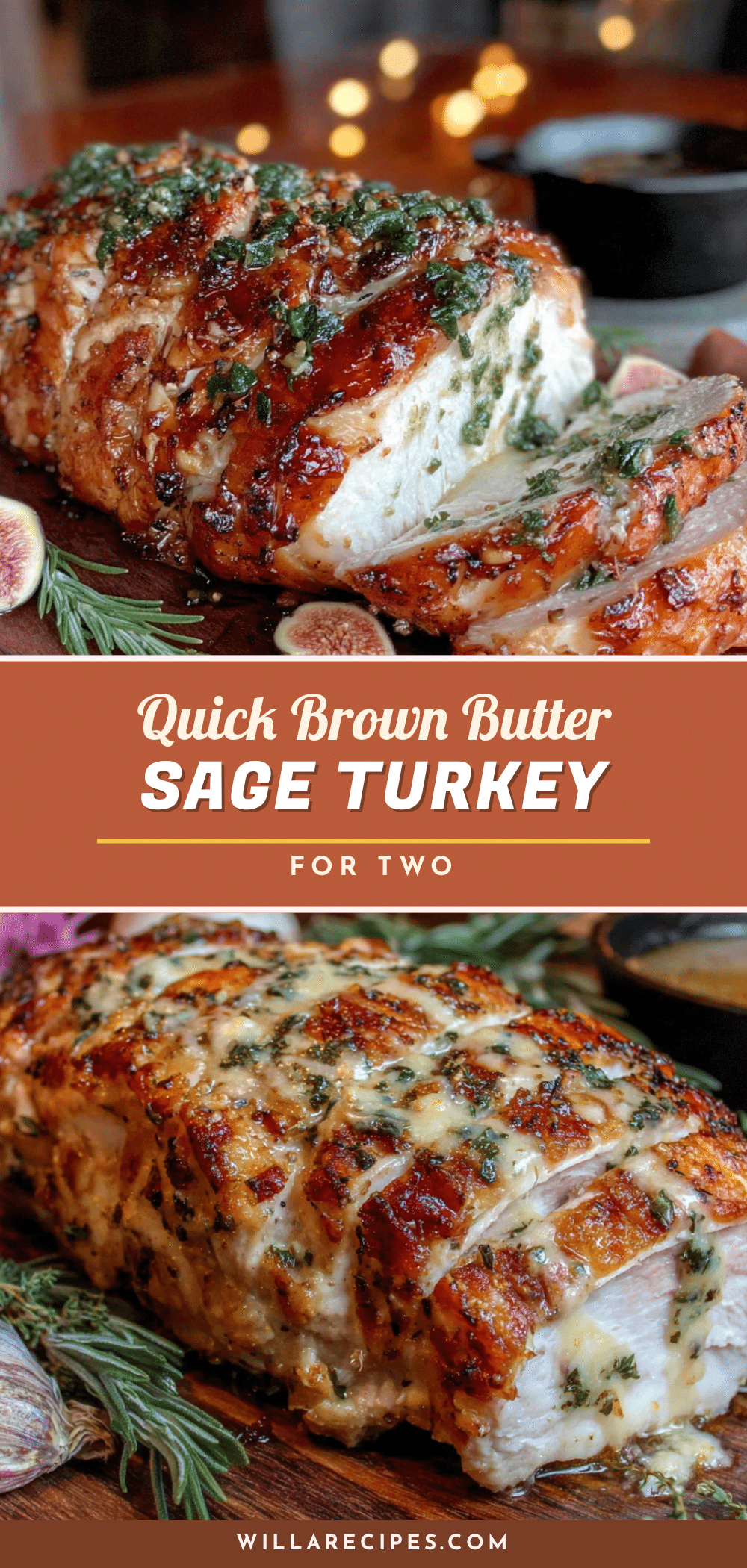
Best Quick Brown Butter Sage Turkey Breast for Two

A quick and easy weeknight dinner featuring juicy turkey breast with a nutty brown butter and crispy sage sauce, ready in under 30 minutes.
- Prep Time: 10 minutes
- Cook Time: 15 minutes
- Total Time: 25 minutes
- Yield: 2 servings 1x
- Category: Main Course
- Cuisine: American
Ingredients
- 1 pound (450g) boneless, skinless turkey breast half
- 4 tablespoons (56g) unsalted butter
- 8–10 fresh sage leaves
- 2 cloves garlic, smashed
- 1 teaspoon (5g) kosher salt
- ½ teaspoon (1g) freshly ground black pepper
- 1 tablespoon (15ml) olive oil
- ¼ cup (60ml) low-sodium chicken or turkey broth
- 1 teaspoon (5ml) lemon juice (optional)
Instructions
- Prep the Turkey: Pat the turkey breast dry with paper towels. If uneven, pound to ¾-inch thickness between plastic wrap. Season both sides with salt and pepper. Let sit at room temperature for 10 minutes.
- Brown the Butter: In an oven-safe skillet over medium heat, melt the butter. Swirl occasionally until it turns golden brown and smells nutty, about 3-4 minutes. Add smashed garlic and half the sage leaves; sizzle 30 seconds. Remove sage leaves with tongs and set aside on paper towel.
- Sear the Turkey: Add olive oil to the brown butter. Place turkey in the hot pan; cook undisturbed 3-4 minutes until deep golden brown. Flip and cook another 2-3 minutes.
- Finish in the Oven: Preheat oven to 400°F (200°C). Pour broth around the turkey (not on top). Add remaining sage leaves. Transfer skillet to oven; roast 8-12 minutes until internal temperature reaches 155°F (68°C).
- Rest and Make Sauce: Transfer turkey to a cutting board; tent with foil and rest 5 minutes. Place skillet over medium heat; add more broth if needed and scrape up browned bits. Simmer 1 minute until slightly thickened. Stir in lemon juice if using. Season to taste.
- Slice and Serve: Slice turkey against the grain into ½-inch pieces. Arrange on a warm plate; spoon sauce over top. Garnish with crispy sage leaves. Serve immediately.
Notes
For best results, use fresh sage and a good-quality European-style butter. Let the turkey rest before slicing to keep it juicy. The sauce can be thinned with extra broth if needed.
Nutrition
- Serving Size: 1 serving (half of r
- Calories: 400
- Sodium: 700
- Fat: 22
- Saturated Fat: 14
- Carbohydrates: 1
- Protein: 48
Keywords: brown butter, sage, turkey breast, quick dinner, weeknight meal, for two