My neighbor, a quiet man named Leo who mostly keeps to himself, asked me why I couldn’t just dump the roasted butternut squash straight into the cheese sauce instead of mashing it into a puree first. I was mid-way through explaining why that would ruin the texture—something about emulsification and the science of a smooth sauce—when I stopped. Honestly, I had no good reason except that I’d always done it the other way. So I shrugged, handed him the fork, and said, “You know what? Let’s try it your way.”
The squash was still warm from the oven, soft enough to break apart with a wooden spoon. I stirred it into the bubbling milk and cheddar, watching it melt into the sauce in a way that felt almost too easy. It was a Tuesday night, and my kitchen was a mess of dirty bowls and spilled flour. I was sure the sauce would be grainy or that the squash wouldn’t incorporate properly. But Leo just stood there, arms crossed, looking way too confident for someone who rarely cooked anything more complicated than toast.
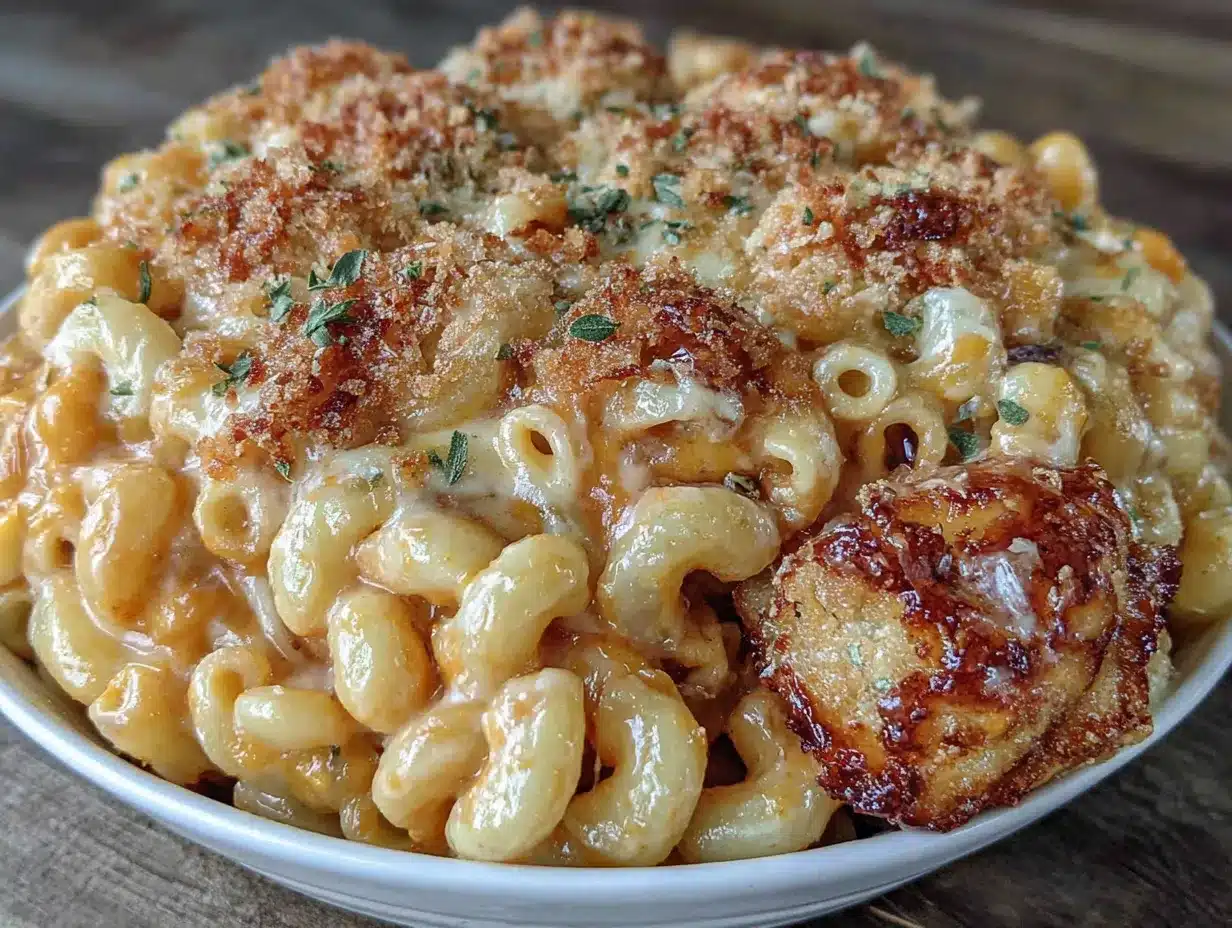
I poured the whole thing over the pasta, took a bite, and let me tell you—I was wrong. Completely, humbly wrong. The sauce was silky, the squash added this subtle sweetness that made the cheddar taste sharper, and the whole thing came together in half the time. Maybe you’ve been there, where you’re so sure your way is the only way, and then someone casually proves you wrong. That night, Leo taught me that sometimes the simple path is the best one. This butternut squash mac and cheese has been a regular in my house ever since.
Why You’ll Love This Recipe
I’ve tested this butternut squash mac and cheese more times than I can count, and every batch has taught me something new. It’s the kind of recipe that feels like a cheat code for busy parents—rich, creamy, and secretly packed with vegetables. Here’s why it works so well for real family dinners:
- Quick & Easy: From start to finish, you’re looking at about 35 minutes. No roux, no double-boiler, no fuss. Just one pot for the pasta and another for the sauce.
- Simple Ingredients: You probably have everything but the squash in your pantry right now. Milk, butter, cheddar, pasta, and a little mustard powder for depth.
- Perfect for Picky Eaters: My kids have no idea there’s butternut squash in here. They just know it’s “orange mac and cheese” and they ask for seconds. If your family is full of skeptics, this is your secret weapon.
- Crowd-Pleaser: I’ve brought this to potlucks and family reunions, and it disappears every single time. Adults love the grown-up flavor, kids love the creamy texture.
- Unbelievably Delicious: The squash doesn’t just hide in the sauce—it makes it better. It adds a velvety smoothness that regular mac and cheese can’t touch, plus a hint of sweetness that balances the sharp cheddar.
What makes this recipe different from the dozens of others out there? It’s the technique. Most recipes have you boil the squash, which waters down the flavor. Roasting it first concentrates the sweetness and gives the sauce a deeper, almost nutty taste. And by skipping the puree step and mashing it right in the pot, you save time and dishes. This isn’t just another version—it’s the one I turn to when I need dinner on the table fast, without sacrificing that soul-soothing comfort food feeling.
What Ingredients You Will Need
This recipe uses simple, wholesome ingredients that work together to create a creamy, satisfying sauce without any heavy cream or processed cheese. The star is the butternut squash, which adds body and sweetness, while sharp cheddar delivers that classic mac and cheese punch. Here’s what you’ll need:
- Butternut squash – 3 cups, peeled and cubed (about 1 medium squash). Look for one that feels heavy for its size and has a firm, unblemished skin. I prefer using pre-cut squash from the store when I’m short on time, but roasting it from scratch gives the best flavor.
- Elbow macaroni – 12 ounces (about 3 cups dry). You can use any short pasta shape—shells, rotini, or cavatappi all work great. I like elbows because they hold the sauce perfectly.
- Sharp cheddar cheese – 2 cups, freshly shredded (about 8 ounces). Pre-shredded cheese has anti-caking agents that prevent smooth melting, so take the extra minute to shred your own. I recommend Cabot or Tillamook for consistent quality.
- Whole milk – 2 cups. Whole milk gives the creamiest result, but 2% works in a pinch. Avoid skim milk—it can make the sauce thin and watery.
- Unsalted butter – 2 tablespoons. If you only have salted butter, reduce the added salt in the recipe by half.
- All-purpose flour – 2 tablespoons. This helps thicken the sauce slightly, though the squash does most of the work.
- Dijon mustard – 1 teaspoon. Don’t skip this! It doesn’t make the sauce taste like mustard—it just brightens the cheese flavor.
- Garlic powder – 1/2 teaspoon. Adds a subtle savory note without being overpowering.
- Salt – 1/2 teaspoon, plus more for the pasta water.
- Black pepper – 1/4 teaspoon, freshly ground.
- Optional toppings – 1/2 cup panko breadcrumbs mixed with 1 tablespoon melted butter for a crispy crust. My kids love it plain, but I sprinkle this on when I’m feeling fancy.
For a dairy-free version, swap the butter with vegan butter, use unsweetened oat milk, and pick a good-quality dairy-free cheddar. The sauce won’t be quite as creamy, but it’s still delicious. If you’re watching sodium, use low-sodium cheese and adjust the salt at the end.
Equipment Needed
You don’t need a fancy kitchen to pull this off. Here’s what I use every time:
- Large pot – For boiling the pasta. A 5-quart pot works well.
- Medium saucepan – For the cheese sauce. A heavy-bottomed pan prevents scorching.
- Baking sheet – For roasting the squash. Line it with parchment paper for easy cleanup.
- Box grater or food processor – For shredding the cheese. I use a box grater because it’s faster than cleaning the food processor.
- Wooden spoon or silicone spatula – For stirring the sauce. Metal can scratch your pan.
- 9×13-inch baking dish – If you’re making a baked version with the breadcrumb topping. A cast-iron skillet works too.
- Colander – For draining pasta.
If you don’t have a baking sheet, you can roast the squash in a cast-iron skillet. No box grater? A sharp knife and a steady hand will do the trick—just cut the cheese into tiny cubes so they melt quickly.
Preparation Method
Let me walk you through this step by step. I’ve made this so many times I could do it in my sleep, and I’ve learned a few tricks along the way.
- Roast the squash. Preheat your oven to 400°F (200°C). Toss the cubed squash with 1 tablespoon of olive oil, a pinch of salt, and a sprinkle of black pepper. Spread it in a single layer on your baking sheet. Roast for 20-25 minutes, until the squash is fork-tender and the edges are slightly caramelized. The smell in your kitchen right now is incredible—sweet and nutty. Set it aside to cool slightly.
- Cook the pasta. While the squash roasts, bring a large pot of salted water to a boil. Add the macaroni and cook according to package directions until al dente—usually about 7-8 minutes. Drain the pasta in a colander, but don’t rinse it. The starch left on the noodles helps the sauce cling better. Set the pot aside (you’ll use it later if you’re baking).
- Make the sauce base. In a medium saucepan over medium heat, melt the butter. Once it’s foamy, whisk in the flour and cook for 1 minute, stirring constantly. This cooks out the raw flour taste. Slowly pour in the milk, whisking continuously to prevent lumps. Keep whisking until the mixture thickens slightly, about 3-4 minutes. It should coat the back of a spoon.
- Add the squash. Now for Leo’s trick—dump the warm roasted squash directly into the sauce. Use a fork or a potato masher to break it up right in the pot. Stir until it’s mostly smooth, with a few tiny flecks of squash for texture. The sauce will turn a beautiful golden-orange color.
- Melt the cheese. Reduce the heat to low. Add the shredded cheddar, Dijon mustard, garlic powder, salt, and pepper. Stir gently until the cheese is fully melted and the sauce is silky smooth. Taste it here—add more salt or pepper if needed. If the sauce seems too thick, splash in a little extra milk.
- Combine with pasta. Pour the drained macaroni into the sauce and stir until every noodle is coated. If you’re serving immediately, you’re done! If you want that crispy topping, move to the next step.
- Bake (optional). Preheat your oven to 375°F (190°C). Transfer the mac and cheese to a greased 9×13-inch baking dish. Sprinkle the panko breadcrumb mixture evenly over the top. Bake for 15-20 minutes, until the topping is golden and the edges are bubbly. Let it rest for 5 minutes before serving—the sauce will set up a bit.
A quick note: if your sauce looks a little grainy at first, don’t panic. Keep stirring over low heat, and it will smooth out. Overheating is usually the culprit, so take it slow.
Cooking Tips & Techniques
I’ve messed up this recipe more times than I’d like to admit. Here’s what I’ve learned so you don’t have to repeat my mistakes.
Don’t overcook the squash. I once roasted it for 35 minutes thinking “more is better,” and it dried out. The sauce turned out pasty instead of creamy. Aim for just tender—the squash should mash easily with a fork but still look moist.
Shred your own cheese. I know, I know, it’s an extra step. But pre-shredded cheese is coated in cellulose, which keeps it from melting smoothly. I learned this the hard way when my sauce turned into a clumpy mess. Freshly shredded cheddar melts like a dream.
Low heat is your friend. When you add the cheese, keep the burner on low. High heat can cause the cheese to seize up and become greasy. If you see little oily beads forming on the surface, you’ve gone too hot. Take it off the heat and stir vigorously—it might still come together.
Multitask smart. While the squash roasts, boil your pasta and shred your cheese. That way, everything is ready at the same time. I set a timer for the squash and use that window to prep everything else. It makes the whole process feel effortless.
Season the pasta water. This is a small thing that makes a big difference. The pasta absorbs the salted water as it cooks, seasoning it from the inside out. I use about 1 tablespoon of salt per 4 quarts of water. It should taste like the sea.
Variations & Adaptations
This recipe is flexible, and I love playing around with it depending on what’s in my fridge. Here are a few ways to switch it up:
- Add protein. Stir in 2 cups of shredded rotisserie chicken or crispy bacon bits right before serving. My husband loves it with leftover roasted chicken from Sunday dinner.
- Make it gluten-free. Use gluten-free pasta and swap the all-purpose flour for a 1:1 gluten-free blend. The sauce might be slightly thinner, but it still tastes amazing.
- Go vegan. Use plant-based butter, unsweetened oat milk, and your favorite vegan cheddar. I’ve tried it with Miyoko’s brand, and it melts beautifully. Roast the squash with coconut oil for extra richness.
- Spice it up. Add 1/4 teaspoon of cayenne pepper or a pinch of smoked paprika to the sauce. I did this once on a whim, and my kids actually loved the subtle warmth.
- Swap the squash. No butternut squash? Use sweet potato or pumpkin puree. The flavor will be slightly different—sweet potato adds a earthier note—but the texture is spot on.
One of my favorite variations is adding a handful of chopped fresh sage to the sauce. It sounds fancy, but it’s just a little herb that makes the whole dish taste like fall. I tried it after seeing a similar idea on a restaurant menu, and now I can’t go back.
Serving & Storage Suggestions
This butternut squash mac and cheese is best served hot, straight from the pot or baking dish. I like to spoon it into bowls and let everyone add their own toppings—extra black pepper, a sprinkle of fresh parsley, or a drizzle of hot sauce if they’re feeling bold.
For a complete meal, pair it with a simple green salad dressed with lemon vinaigrette. The acidity cuts through the richness perfectly. Roasted broccoli or steamed green beans also work great on the side. If you’re feeding a crowd, serve it alongside grilled chicken or pork chops for a hearty dinner.
Storage: Leftovers keep well in an airtight container in the fridge for up to 4 days. The sauce will thicken as it sits, which I actually love—it gets even creamier. To reheat, add a splash of milk and warm it in the microwave or on the stovetop over low heat, stirring occasionally. You can also freeze this dish for up to 3 months. Let it cool completely, then transfer to a freezer-safe container. Thaw overnight in the fridge before reheating.
One thing I’ve noticed: the flavors meld together even more after a day in the fridge. So if you have leftovers, tomorrow’s lunch is going to be even better. The squash and cheese sort of become one, and every bite tastes richer.
Nutritional Information & Benefits
Here’s the approximate breakdown for one serving (about 1 1/2 cups, without breadcrumb topping):
- Calories: 480
- Protein: 18g
- Fat: 22g
- Carbohydrates: 52g
- Fiber: 5g
- Sugar: 8g
- Sodium: 620mg
Butternut squash is packed with vitamin A, which supports eye health and immune function. It’s also a good source of fiber, which helps keep you full longer. The sharp cheddar adds calcium and protein, making this a more balanced meal than traditional mac and cheese. If you’re watching your carb intake, use chickpea pasta for an extra protein boost and lower net carbs.
This recipe is naturally vegetarian and can be made gluten-free or dairy-free with simple swaps. It does contain dairy and gluten in its standard form, so keep that in mind for guests with allergies. I personally love that I can serve this to my family knowing they’re getting a serving of vegetables without any complaints.
Conclusion
This butternut squash mac and cheese has earned a permanent spot in my weekly dinner rotation. It’s creamy, comforting, and secretly good for you—everything a family meal should be. I love that I can make it on a busy Tuesday or dress it up for a holiday potluck. The best part? It came from a moment of being wrong, and I’m so glad I was.
I hope you give this recipe a try and make it your own. Add extra cheese, throw in some bacon, or keep it simple—there’s no wrong way. If you do make it, I’d love to hear how it turned out. Leave a comment below or tag me in your photos. And if you have a story about being proven wrong in the kitchen, please share it—I could use a good laugh. Happy cooking, friends.
Frequently Asked Questions
Can I use frozen butternut squash instead of fresh?
Yes, you can! Frozen butternut squash works well in a pinch. Just thaw it first and pat it dry with paper towels to remove excess moisture. Roast it at 400°F for about 15 minutes instead of 25, since it’s already partially cooked. The flavor won’t be quite as sweet as fresh-roasted, but the texture will still be creamy.
Why did my cheese sauce turn out grainy?
Grainy sauce usually happens when the cheese is heated too quickly or at too high a temperature. Always melt cheese over low heat, and add it gradually while stirring constantly. Using pre-shredded cheese can also cause graininess because of the anti-caking agents. Freshly shredded cheese melts much more smoothly.
Can I make this ahead of time for a party?
Absolutely. Assemble the mac and cheese completely (without the breadcrumb topping) and refrigerate it for up to 24 hours. When you’re ready to bake, add the breadcrumbs and bake at 375°F for 25-30 minutes, until heated through and bubbly. You may need to add an extra splash of milk before baking since the pasta will absorb some sauce overnight.
Is this recipe freezer-friendly?
Yes, it freezes beautifully. Let the mac and cheese cool completely, then transfer it to a freezer-safe container or zip-top bag. It will keep for up to 3 months. To reheat, thaw overnight in the fridge, then warm it in the oven at 350°F for 20 minutes, or microwave individual portions. Add a little milk to restore the creamy texture.
What can I use instead of butternut squash?
Sweet potato is the best substitute—it has a similar sweetness and creamy texture when roasted. Pumpkin puree (not pumpkin pie filling) also works, though it’s a bit thinner. For a lower-carb option, try cauliflower. Roast it until very tender, then mash it into the sauce. The flavor will be milder, but the texture will still be velvety.
Pin This Recipe!
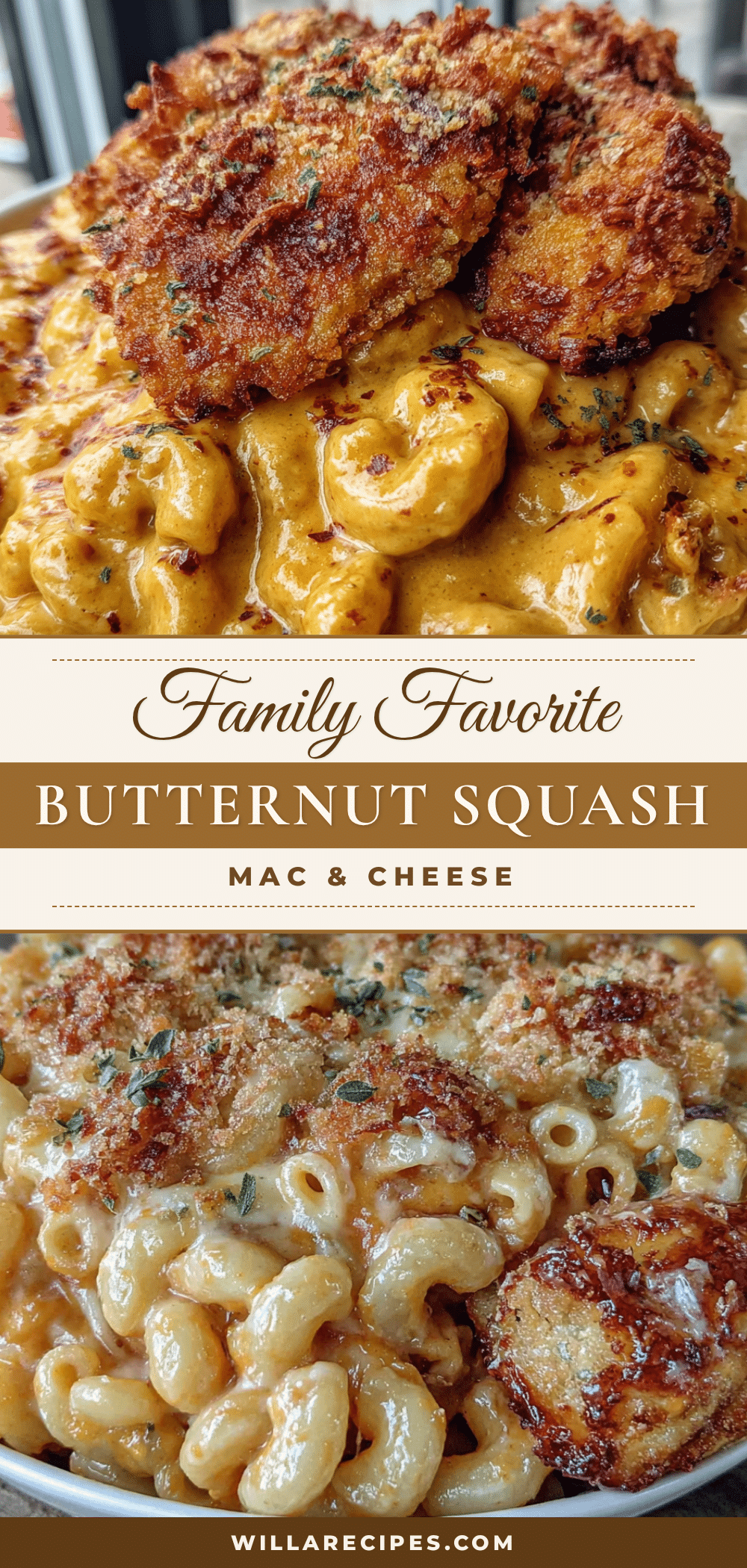
Best Easy Butternut Squash Mac and Cheese Recipe

This creamy, comforting mac and cheese is secretly packed with roasted butternut squash for a velvety sauce that’s ready in just 35 minutes. A simple technique of mashing the squash directly into the sauce saves time and dishes, making it a perfect weeknight dinner that even picky eaters will love.
- Prep Time: 15 minutes
- Cook Time: 30 minutes
- Total Time: 45 minutes
- Yield: 6 servings 1x
- Category: Main Course
- Cuisine: American
Ingredients
- 3 cups butternut squash, peeled and cubed (about 1 medium squash)
- 12 ounces elbow macaroni (about 3 cups dry)
- 2 cups sharp cheddar cheese, freshly shredded (about 8 ounces)
- 2 cups whole milk
- 2 tablespoons unsalted butter
- 2 tablespoons all-purpose flour
- 1 teaspoon Dijon mustard
- 1/2 teaspoon garlic powder
- 1/2 teaspoon salt, plus more for pasta water
- 1/4 teaspoon black pepper, freshly ground
- 1 tablespoon olive oil (for roasting squash)
- 1/2 cup panko breadcrumbs (optional, for topping)
- 1 tablespoon melted butter (optional, for topping)
Instructions
- Preheat oven to 400°F (200°C). Toss cubed squash with 1 tablespoon olive oil, a pinch of salt, and a sprinkle of black pepper. Spread in a single layer on a baking sheet lined with parchment paper. Roast for 20-25 minutes until fork-tender and edges are caramelized. Set aside to cool slightly.
- While squash roasts, bring a large pot of salted water to a boil. Add macaroni and cook according to package directions until al dente (about 7-8 minutes). Drain in a colander; do not rinse.
- In a medium saucepan over medium heat, melt butter. Once foamy, whisk in flour and cook for 1 minute, stirring constantly. Slowly pour in milk, whisking continuously to prevent lumps. Cook until mixture thickens slightly, about 3-4 minutes, until it coats the back of a spoon.
- Add warm roasted squash directly to the sauce. Use a fork or potato masher to break it up right in the pot. Stir until mostly smooth with a few tiny flecks of squash for texture.
- Reduce heat to low. Add shredded cheddar, Dijon mustard, garlic powder, salt, and pepper. Stir gently until cheese is fully melted and sauce is silky smooth. Taste and adjust seasoning if needed. If sauce is too thick, add a splash of milk.
- Pour drained macaroni into the sauce and stir until every noodle is coated. Serve immediately, or proceed to next step for a baked version.
- For baked version: Preheat oven to 375°F (190°C). Transfer mac and cheese to a greased 9×13-inch baking dish. Mix panko breadcrumbs with 1 tablespoon melted butter and sprinkle evenly over top. Bake for 15-20 minutes until topping is golden and edges are bubbly. Let rest 5 minutes before serving.
Notes
For a dairy-free version, use vegan butter, unsweetened oat milk, and dairy-free cheddar. For gluten-free, use gluten-free pasta and a 1:1 gluten-free flour blend. Leftovers keep in the fridge for up to 4 days; reheat with a splash of milk. Freeze for up to 3 months.
Nutrition
- Serving Size: 1 1/2 cups
- Calories: 480
- Sugar: 8
- Sodium: 620
- Fat: 22
- Saturated Fat: 12
- Carbohydrates: 52
- Fiber: 5
- Protein: 18
Keywords: butternut squash mac and cheese, easy mac and cheese, healthy mac and cheese, vegetarian mac and cheese, quick dinner, comfort food, fall recipe