There used to be a little diner off Highway 17 in South Carolina called Miss Pearl’s that made cornbread dressing so good it made you forget your own name. When they closed suddenly in 2018—a “For Lease” sign appeared overnight like a bad omen—I genuinely grieved. That dressing was the reason I’d drive forty-five minutes out of my way on road trips. After maybe twelve tries—some so dry they belonged in a sandbox, others so wet they were basically cornbread soup—I finally got it.
The thing about Miss Pearl’s version was it had this perfect crumbly-yet-moist texture that seemed impossible to replicate. I remember sitting at that cracked Formica counter, watching her niece run plates to the regulars, thinking, “How do they get that golden crust on top while the inside stays so tender?” The answer, I learned after many failed attempts, is all in how you handle the cornbread base and the ratio of broth to bread. Honestly, I almost gave up after attempt number seven—a Thanksgiving disaster where my dressing came out tasting more like flavored sawdust than the soulful side dish I was chasing.
But here’s the thing about Southern cooking: it rewards persistence. You know that feeling when you take a bite and everything clicks? The sage hits first, then the onion sweetness, then that unmistakable cornbread crumble that melts on your tongue. That’s what this recipe delivers. Maybe you’ve been searching for that one dressing recipe that tastes like Sunday dinner at somebody’s grandmother’s house. This is it. No box mixes, no shortcuts, just honest cornbread dressing made from scratch—the way Miss Pearl would’ve wanted it.
Why You’ll Love This Recipe
This isn’t just another cornbread dressing recipe floating around the internet. I’ve tested this version more times than I care to count, tweaking the broth ratio, adjusting the herb blend, and even experimenting with different cornmeal brands until I landed on something truly special. Here’s why this one stands out:
- Made Completely from Scratch : No boxed cornbread mix here—you’ll start with real cornmeal, flour, and buttermilk for that authentic Southern texture that store-bought versions just can’t match.
- Perfect Moisture Balance : The biggest struggle with homemade dressing is getting it moist without turning into mush. This recipe nails that sweet spot every single time.
- Simple, Familiar Ingredients : You probably already have most of these in your pantry—onions, celery, eggs, chicken broth, and basic seasonings. No fancy grocery store runs required.
- Make-Ahead Friendly : Assemble it the day before and pop it in the oven when you’re ready. Perfect for holiday cooking when oven space is prime real estate.
- Crowd-Pleasing Classic : Whether you’re serving it alongside Thanksgiving turkey, Christmas ham, or Sunday fried chicken, this dressing gets rave reviews every single time.
What makes this recipe different from all the others? It’s the technique of toasting the cornbread cubes before mixing everything together. That extra step creates a sturdier base that soaks up the broth without disintegrating. Plus, the combination of fresh sage and poultry seasoning gives it that unmistakable Southern flavor profile that tastes like home. I’ve had friends tell me this dressing reminds them of their grandmother’s recipe—and honestly, that’s the highest compliment a Southern cook can receive.
What Ingredients You Will Need
This recipe relies on simple, wholesome ingredients that work together to create that classic Southern dressing texture and flavor. Most of these are pantry staples, which makes this dish accessible even when you’re cooking on short notice.
For the Cornbread Base:
- 1 ½ cups yellow cornmeal (I prefer White Lily or Martha White for authentic Southern texture)
- 1 cup all-purpose flour
- 1 tablespoon baking powder
- 1 teaspoon salt
- 1 tablespoon sugar (optional—some Southern cooks skip this, but I find it balances the savory notes)
- 2 large eggs, room temperature
- 1 ½ cups buttermilk (adds tenderness and subtle tang)
- ¼ cup unsalted butter, melted (plus more for greasing the pan)
For the Dressing:
- 8 cups crumbled day-old cornbread (about one 9×13 pan full)
- 4 tablespoons unsalted butter
- 1 large yellow onion, finely diced (about 1 ½ cups)
- 3 celery stalks, finely diced (about 1 cup)
- 4 cloves garlic, minced
- 2 cups chicken broth (low-sodium preferred—you can adjust salt later)
- 2 large eggs, beaten
- 1 tablespoon fresh sage, chopped (or 1 teaspoon dried sage)
- 1 teaspoon poultry seasoning
- ½ teaspoon black pepper
- ½ teaspoon salt (plus more to taste)
- ¼ cup fresh parsley, chopped (optional, but adds nice color)
For the cornbread, I always recommend using stone-ground cornmeal if you can find it—it gives the dressing a more rustic, hearty texture. Regular yellow cornmeal works fine too, just avoid the fine-grind stuff labeled for cornbread mix. You want that slightly gritty texture that authentic Southern cornbread is known for.
If you’re watching your sodium, use low-sodium broth and adjust the salt at the end. You can also swap the chicken broth for vegetable broth to make this vegetarian-friendly. Just know the flavor will be slightly different—still delicious, but less savory depth.
Equipment Needed
You don’t need any fancy equipment to make this dressing, which is part of its charm. Here’s what you’ll need:
- 9×13-inch baking dish (for both the cornbread and the final dressing)
- Large mixing bowls (one for cornbread batter, one for combining dressing)
- Cast iron skillet (optional but ideal for baking cornbread—gives it that crispy crust)
- Chef’s knife and cutting board
- Large skillet or sauté pan (for cooking the vegetables)
- Whisk
- Wooden spoon or spatula
- Measuring cups and spoons
If you don’t have a cast iron skillet, any oven-safe baking dish will work. I’ve made this dressing using a glass Pyrex dish and it turned out perfectly fine—just keep an eye on the baking time since glass conducts heat differently. My grandmother swore by her worn-out cast iron skillet, and honestly, there’s something about that seasoned surface that adds a subtle depth you can’t quite replicate. But don’t let equipment hold you back—this recipe is forgiving enough for any home kitchen.
Preparation Method
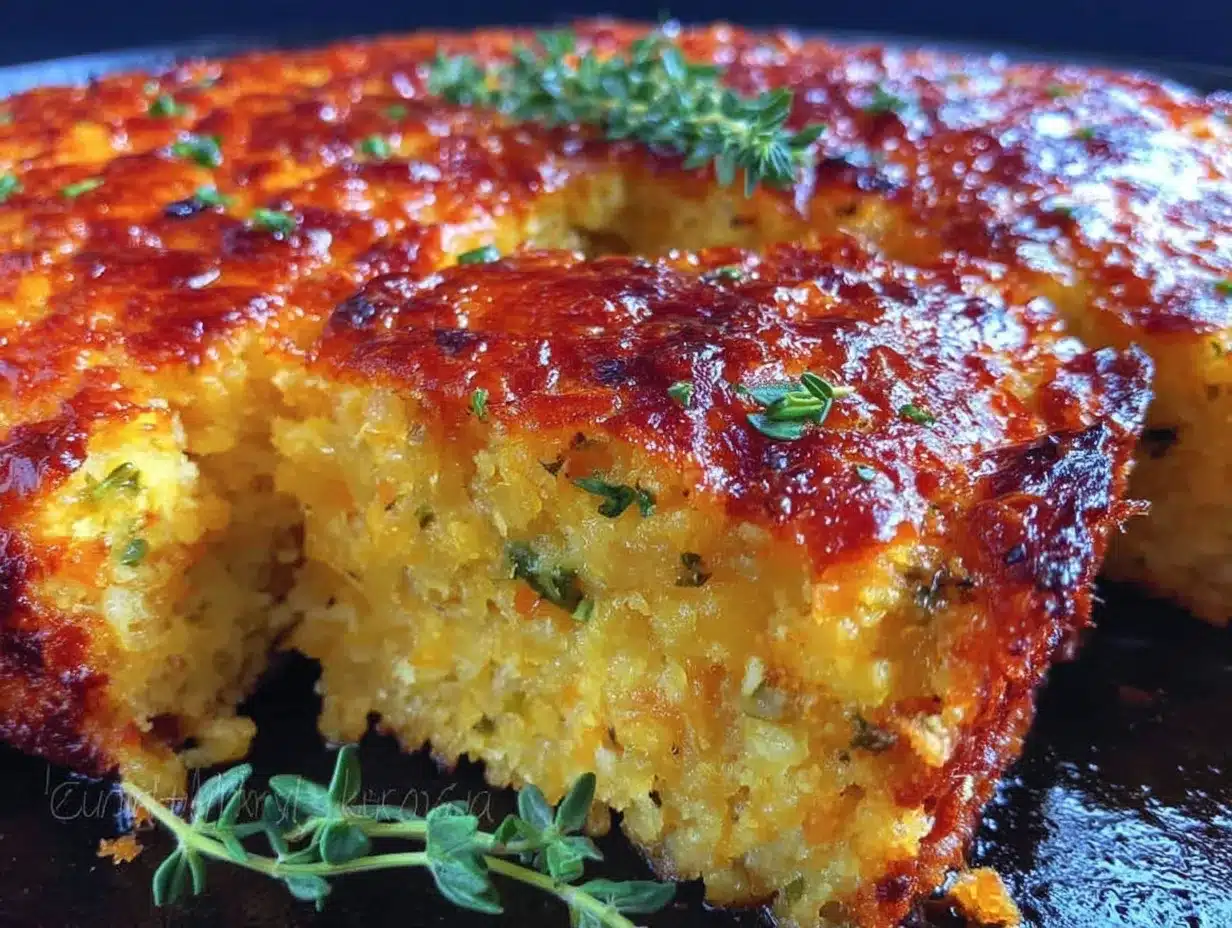
Let’s walk through this step by step. The key to great cornbread dressing is patience—especially when it comes to drying out the cornbread. Trust me, rushing this step is what leads to soggy dressing.
- Make the cornbread (day before or at least 4 hours ahead): Preheat your oven to 425°F (220°C). Grease a 9×13-inch baking dish or cast iron skillet with butter. In a large bowl, whisk together the cornmeal, flour, baking powder, salt, and sugar. In a separate bowl, whisk the eggs, buttermilk, and melted butter. Pour the wet ingredients into the dry and stir until just combined—don’t overmix, or the cornbread will be tough. Pour the batter into the prepared pan and bake for 20-25 minutes, until golden brown and a toothpick inserted in the center comes out clean. Let it cool completely, then crumble it into a large bowl and let it sit out uncovered overnight to dry out. This is crucial—fresh cornbread will turn your dressing into a mushy mess.
- Sauté the vegetables: The next day (or after the cornbread has dried for at least 4 hours), melt 4 tablespoons of butter in a large skillet over medium heat. Add the diced onion and celery, and cook for 8-10 minutes, stirring occasionally, until the vegetables are soft and translucent. You want them tender but not browned—browning adds bitterness that competes with the sage. Add the minced garlic and cook for another minute until fragrant. Remove from heat and let cool slightly.
- Combine the dressing mixture: In a very large bowl, combine the crumbled, dried cornbread with the sautéed vegetables, fresh sage, poultry seasoning, salt, pepper, and parsley if using. Toss everything together with your hands or a wooden spoon until the herbs are evenly distributed throughout the cornbread crumbs. This is where you can really see the texture coming together—the cornbread should still be crumbly but starting to look cohesive.
- Add the liquid: In a separate small bowl, beat the 2 eggs. Pour the eggs and 1 ½ cups of chicken broth over the cornbread mixture. Stir gently until everything is evenly moistened. The mixture should look like wet sand—not soupy, but definitely not dry. If it seems too dry, add the remaining ½ cup of broth a little at a time. The texture is right when you can press a handful together and it holds its shape without dripping liquid. Taste the mixture at this point—it should be well-seasoned but not salty, since the flavors will concentrate as it bakes.
- Bake the dressing: Preheat your oven to 375°F (190°C). Grease a 9×13-inch baking dish or a 3-quart casserole dish. Transfer the dressing mixture to the prepared dish and spread it evenly. Bake for 35-45 minutes, until the top is golden brown and the edges are slightly crispy. The center should be set but still moist—a knife inserted in the middle should come out clean. If the top is browning too quickly, tent loosely with foil during the last 10 minutes of baking.
- Rest and serve: Let the dressing rest for 10 minutes before serving. This allows the moisture to redistribute and makes it easier to scoop without falling apart. The smell at this point is absolutely intoxicating—sage, onion, and butter filling your whole kitchen.
A note on timing: If you’re making this for a big holiday meal, you can assemble the dressing up to 24 hours in advance and refrigerate it unbaked. Just add about 10-15 minutes to the baking time since you’re starting from cold. This is honestly my preferred method—the flavors meld together overnight and the result is even more delicious.
Cooking Tips & Techniques
After all those failed attempts, I learned a few things the hard way so you don’t have to. Here are my best tips for perfect cornbread dressing every time:
Dry your cornbread completely. This is non-negotiable. Fresh cornbread has too much moisture and will turn your dressing into a dense, gluey brick. I’ve made this mistake more times than I’d like to admit. The cornbread should be stale enough that it crumbles easily between your fingers. If you forget to make it ahead, cut the baked cornbread into cubes and spread them on a baking sheet in a 300°F oven for 15-20 minutes to dry them out quickly.
Don’t overmix once you add the liquid. Stir just until everything is moistened. Overmixing breaks down the cornbread structure and creates a pasty texture instead of that desirable crumbly consistency. I learned this one the hard way when I got distracted by my phone and kept stirring—the result was dressing that looked more like porridge than a side dish.
Season as you go. Don’t wait until the end to add all the salt and pepper. Season the vegetables while they cook, season the broth, and season the cornbread mixture before baking. Layering the seasoning creates depth of flavor that you can’t get from adding it all at once. That said, go easy on the salt—broth already contains sodium, and you can always add more at the table.
Use fresh sage if you can. Dried sage works in a pinch, but fresh sage has a brighter, more aromatic flavor that really makes this dressing sing. I grow sage in my garden specifically for this recipe. If using dried, remember that it’s more concentrated—use about one-third of the amount you’d use fresh.
Let it rest before serving. I know it’s tempting to dig in right away, but letting the dressing sit for 10 minutes allows the structure to set. You’ll get cleaner servings that hold their shape instead of collapsing into a heap on the plate.
Variations & Adaptations
This recipe is wonderfully adaptable. Here are some variations I’ve tried and loved:
Southern Sausage Dressing: Brown 1 pound of breakfast sausage (I like Jimmy Dean regular) in the skillet before cooking the vegetables. Remove the sausage, drain excess fat, and crumble it into the dressing mixture along with the vegetables. This adds a savory, slightly spicy element that’s perfect for holiday brunch or alongside roasted chicken.
Vegetarian Version: Swap the chicken broth for vegetable broth and use a high-quality vegetable broth for the best flavor. Add an extra tablespoon of butter to compensate for the richness you lose without meat. You can also add sautéed mushrooms for an earthy, umami boost that mimics the savory depth of traditional dressing.
Gluten-Free Adaptation: Use gluten-free all-purpose flour in the cornbread (I’ve had good results with Bob’s Red Mill 1-to-1 Baking Flour) and ensure your cornmeal is certified gluten-free. Everything else in this recipe is naturally gluten-free, so this is an easy swap. The texture will be slightly more delicate, so handle the dressing gently when mixing.
Spicy Cajun Twist: Add ½ teaspoon of cayenne pepper, 1 teaspoon of smoked paprika, and ½ cup of finely diced andouille sausage to the dressing. This variation is incredible alongside blackened fish or grilled shrimp. I made this for a Mardi Gras party once and it disappeared faster than the king cake.
Apple & Pecan Variation: Fold in 1 cup of finely diced Granny Smith apple and ½ cup of toasted pecans along with the vegetables. The apple adds sweetness and moisture, while the pecans provide a pleasant crunch. This version pairs beautifully with roast pork or ham.
Serving & Storage Suggestions
This cornbread dressing is best served warm, straight from the oven. The ideal serving temperature is around 140°F—warm enough to be comforting but not so hot that it burns your mouth. I like to serve it alongside roasted turkey, fried chicken, or baked ham, with a generous ladle of gravy poured over the top.
For a complete Southern meal, pair this dressing with collard greens cooked with smoked turkey, creamy mashed potatoes, and homemade cranberry sauce. The richness of the dressing balances beautifully with the tangy, slightly bitter greens and the sweet-tart cranberries.
Storage: Leftover dressing keeps well in the refrigerator for up to 4 days. Store it in an airtight container to prevent it from drying out. The flavors actually deepen and meld together overnight, making leftovers almost better than the fresh version—if you can believe that.
Freezing: This dressing freezes beautifully. Cool it completely, then wrap tightly in plastic wrap and aluminum foil. It will keep for up to 3 months. To reheat, thaw overnight in the refrigerator, then warm in a 350°F oven for 20-25 minutes, covered with foil to prevent drying. Add a splash of chicken broth if it seems dry after reheating.
Reheating: For best results, reheat dressing in the oven rather than the microwave. The microwave tends to make it soggy and unevenly heated. Place individual portions in a baking dish, cover with foil, and warm at 350°F for 15-20 minutes. If you’re in a hurry, the microwave works—just use 50% power and heat in 30-second intervals, stirring between each.
Nutritional Information & Benefits
Here’s the approximate nutritional breakdown for one serving (about 1 cup of dressing):
| Nutrient | Amount per Serving |
|---|---|
| Calories | 285 |
| Total Fat | 12g |
| Saturated Fat | 6g |
| Cholesterol | 75mg |
| Sodium | 520mg |
| Total Carbohydrates | 35g |
| Dietary Fiber | 3g |
| Sugars | 4g |
| Protein | 8g |
While cornbread dressing isn’t exactly health food, it does offer some nutritional benefits. Cornmeal provides complex carbohydrates and a decent amount of fiber, especially if you use stone-ground varieties. The celery and onions add vitamins A and C, along with antioxidants. Eggs contribute high-quality protein and essential amino acids. And sage—beyond its wonderful flavor—contains compounds with anti-inflammatory properties.
If you’re watching your sodium, use low-sodium broth and reduce the added salt. You can also cut the butter in the vegetable sauté to 2 tablespoons without significantly affecting the texture. For a lighter version, substitute half the cornbread with whole wheat bread cubes—the flavor will be different, but still delicious.
Conclusion
This homemade Southern cornbread dressing is more than just a side dish—it’s a connection to tradition, to family, and to the simple pleasure of a well-made meal. After all those failed attempts chasing Miss Pearl’s recipe, I finally realized that the magic wasn’t in some secret ingredient. It was in the patience to dry the cornbread properly, the care to season at every step, and the willingness to keep trying until you get it right.
I hope this recipe becomes a staple at your table, whether it’s for Thanksgiving, Christmas, or just a Sunday dinner that feels a little bit special. Don’t be afraid to make it your own—add your favorite herbs, swap in different proteins, or experiment with the variations I’ve shared. The best recipes are the ones that evolve with the people who make them.
If you try this recipe, I’d love to hear about it! Leave a comment below and let me know how it turned out, or share your own twist on this classic. And if you’re looking for more Southern comfort food inspiration, check out my southern collard greens recipe and my homemade buttermilk biscuits recipe—they pair perfectly with this dressing for a complete Southern feast. Happy cooking, y’all!
Frequently Asked Questions
Can I use store-bought cornbread for this recipe?
You can, but I don’t recommend it. Store-bought cornbread tends to be sweeter and softer than homemade, which throws off the flavor and texture balance of the dressing. If you’re in a pinch, look for a brand with minimal sugar and let the cornbread dry out completely before using. But honestly, homemade is so much better and only takes about 30 minutes to make.
Why is my cornbread dressing soggy?
Soggy dressing usually means one of two things: the cornbread wasn’t dry enough before mixing, or you added too much broth. Make sure your cornbread is completely stale—it should feel dry and crumbly, not soft. Start with less broth and add more gradually until the mixture looks like wet sand. You can always add more, but you can’t take it out.
Can I make cornbread dressing ahead of time?
Absolutely! This is actually one of the best make-ahead dishes for holidays. Assemble the dressing completely (up to step 4), cover it, and refrigerate for up to 24 hours. When you’re ready to bake, add about 10-15 minutes to the baking time since you’re starting from cold. The flavors meld together beautifully overnight.
What’s the difference between dressing and stuffing?
Technically, stuffing is cooked inside the turkey cavity, while dressing is baked in a separate dish. In the South, we almost always make dressing—it’s safer (no risk of undercooked poultry juices), and you get those lovely crispy edges from the baking dish. Both terms are used interchangeably in casual conversation, but this recipe is definitely dressing.
Can I freeze leftover cornbread dressing?
Yes, and it freezes wonderfully! Cool the dressing completely, then wrap it tightly in plastic wrap and aluminum foil. It will keep for up to 3 months in the freezer. To reheat, thaw overnight in the refrigerator and warm in a 350°F oven, covered with foil, for 20-25 minutes. Add a splash of broth if it seems dry after reheating.
Pin This Recipe!
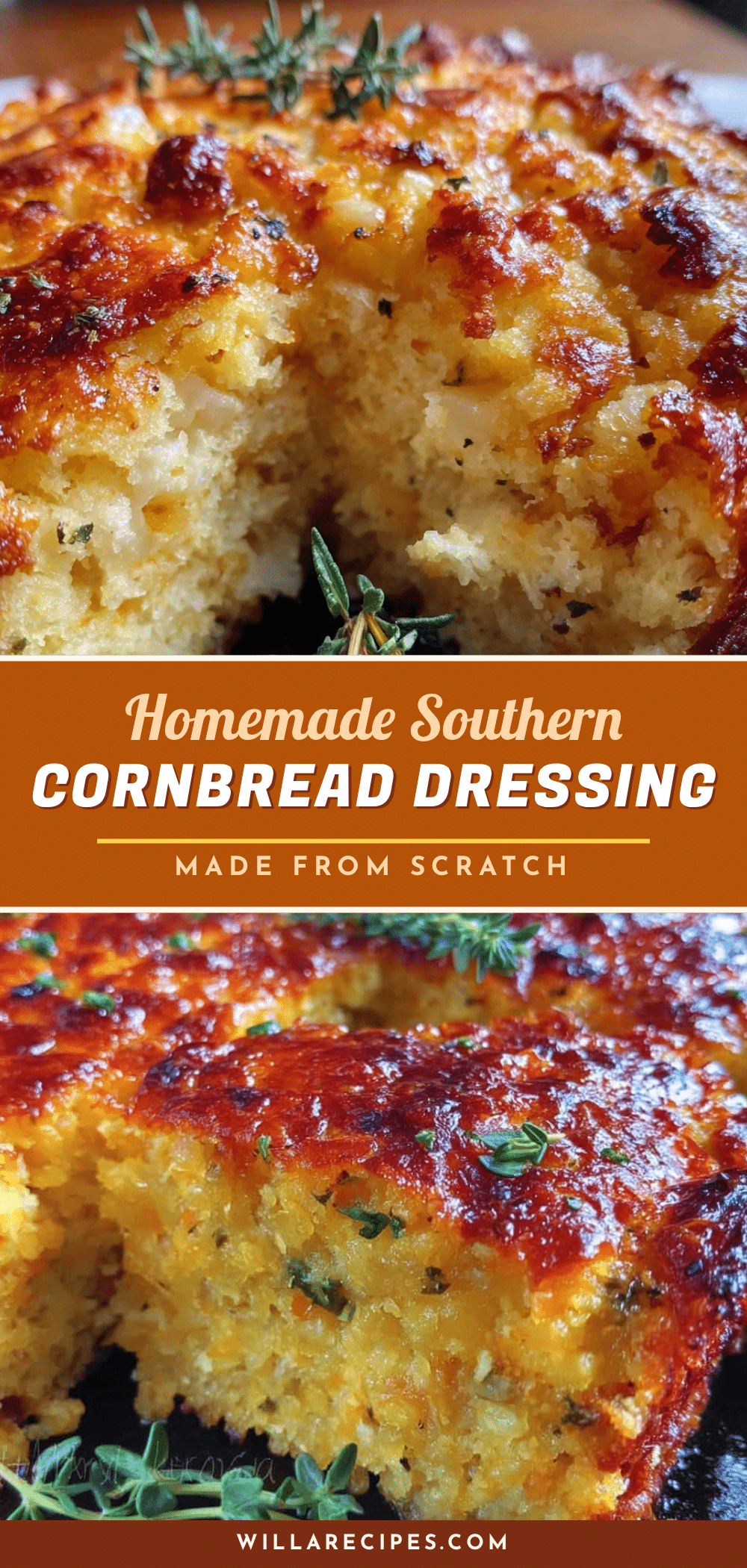
Easy Homemade Southern Cornbread Dressing Recipe

This homemade Southern cornbread dressing is moist, flavorful, and made completely from scratch. With a perfect crumbly-yet-tender texture and classic sage and onion flavor, it’s the ultimate side dish for holiday meals or Sunday dinners.
- Prep Time: 30 minutes
- Cook Time: 45 minutes
- Total Time: 1 hour 15 minutes (plus overnight drying)
- Yield: 8 servings 1x
- Category: Side Dish
- Cuisine: Southern
Ingredients
- 1 ½ cups yellow cornmeal
- 1 cup all-purpose flour
- 1 tablespoon baking powder
- 1 teaspoon salt
- 1 tablespoon sugar (optional)
- 2 large eggs, room temperature
- 1 ½ cups buttermilk
- ¼ cup unsalted butter, melted (plus more for greasing)
- 8 cups crumbled day-old cornbread (about one 9x13 pan full)
- 4 tablespoons unsalted butter
- 1 large yellow onion, finely diced (about 1 ½ cups)
- 3 celery stalks, finely diced (about 1 cup)
- 4 cloves garlic, minced
- 2 cups chicken broth (low-sodium preferred)
- 2 large eggs, beaten
- 1 tablespoon fresh sage, chopped (or 1 teaspoon dried sage)
- 1 teaspoon poultry seasoning
- ½ teaspoon black pepper
- ½ teaspoon salt (plus more to taste)
- ¼ cup fresh parsley, chopped (optional)
Instructions
- Make the cornbread (day before or at least 4 hours ahead): Preheat oven to 425°F (220°C). Grease a 9×13-inch baking dish or cast iron skillet with butter. In a large bowl, whisk together cornmeal, flour, baking powder, salt, and sugar. In a separate bowl, whisk eggs, buttermilk, and melted butter. Pour wet into dry and stir until just combined. Pour batter into prepared pan and bake for 20-25 minutes until golden brown and a toothpick inserted in center comes out clean. Cool completely, then cru…
- Sauté the vegetables: The next day (or after cornbread has dried for at least 4 hours), melt 4 tablespoons butter in a large skillet over medium heat. Add diced onion and celery, cook for 8-10 minutes until soft and translucent. Add minced garlic and cook for 1 minute until fragrant. Remove from heat and let cool slightly.
- Combine the dressing mixture: In a very large bowl, combine crumbled dried cornbread with sautéed vegetables, fresh sage, poultry seasoning, salt, pepper, and parsley if using. Toss until herbs are evenly distributed.
- Add the liquid: In a small bowl, beat 2 eggs. Pour eggs and 1 ½ cups chicken broth over cornbread mixture. Stir gently until evenly moistened. Mixture should look like wet sand. If too dry, add remaining ½ cup broth a little at a time. Taste and adjust seasoning.
- Bake the dressing: Preheat oven to 375°F (190°C). Grease a 9×13-inch baking dish or 3-quart casserole dish. Transfer mixture to prepared dish and spread evenly. Bake for 35-45 minutes until top is golden brown and edges are slightly crispy. Center should be set but still moist. If top browns too quickly, tent with foil during last 10 minutes.
- Rest and serve: Let dressing rest for 10 minutes before serving.
Notes
Dry cornbread completely to avoid soggy dressing. Do not overmix once liquid is added. Season as you go for depth of flavor. Use fresh sage if possible. Let dressing rest before serving. Can be assembled up to 24 hours in advance and refrigerated unbaked.
Nutrition
- Serving Size: 1 cup
- Calories: 285
- Sugar: 4
- Sodium: 520
- Fat: 12
- Saturated Fat: 6
- Carbohydrates: 35
- Fiber: 3
- Protein: 8
Keywords: cornbread dressing, Southern dressing, Thanksgiving dressing, homemade dressing, cornbread stuffing, holiday side dish