The New Year’s Eve party was in four hours and I’d completely forgotten I was supposed to bring the signature cocktail. Everyone else would be showing up with elaborate champagne towers, hand-crafted coupes, and bottles of vintage bubbly they’d been saving for months. I had half a bottle of leftover prosecco, a box of strawberry jello, and what I’m pretty sure was the last carton of whipped cream in the entire grocery store. Let me tell you, standing in that checkout line at 3 PM on December 31st, I felt like the world’s most unprepared party guest.
But here’s the thing about desperation—it makes you creative. I grabbed some plastic shot cups from the baking aisle, a handful of fresh strawberries that looked like they’d seen better days (marked down, obviously), and hoped for the best. I mean, how hard could champagne jello shots be? The answer, as it turns out, is not hard at all. And the result? Well, let’s just say my little jello shots disappeared faster than the expensive champagne everyone else brought.
Honestly, I was a little sheepish about it at first. Here I was, showing up with what basically amounted to fancy jello, while my friend Sarah had spent three days perfecting her elderflower champagne cocktail. But when people started asking for the recipe before midnight even struck, I realized I’d accidentally stumbled onto something special. These light & festive champagne jello shots for New Year’s Eve aren’t just a last-minute save—they’re the kind of thing you’ll actually want to make on purpose. Maybe you’ve been there, scrambling for a party contribution that doesn’t look like an afterthought. Trust me, I get it.
Why You’ll Love This Recipe
I’ve tested this recipe more times than I care to admit, tweaking the ratio of champagne to gelatin until I got that perfect jiggle without the boozy intensity being overwhelming. After about six attempts (and one very wobbly disaster that ended up in the trash), I landed on a version that’s genuinely light, refreshing, and perfectly festive.
- Quick & Easy: These come together in about 15 minutes of active prep time. The hardest part is waiting for them to set in the fridge!
- Simple Ingredients: You probably already have most of what you need in your kitchen. No fancy mixers or obscure liqueurs required.
- Perfect for New Year’s Eve: They’re portable, individual portions that look gorgeous on a serving tray. No glassware to wash at midnight!
- Crowd-Pleaser: I’ve watched people who swore they “don’t do jello shots” go back for thirds. The champagne makes them feel sophisticated.
- Unbelievably Light: Unlike those syrupy, headache-inducing jello shots from college parties, these are delicate and refreshing. They actually taste like champagne!
What makes these different from every other jello shot recipe out there? It’s the technique—I use a gentle heating method that preserves the champagne’s bubbles and delicate flavor instead of boiling them all away. Plus, the ratio of liquid to gelatin is carefully calibrated so you get a texture that’s firm enough to hold its shape but soft enough to melt on your tongue. This isn’t just another version of champagne jello shots—it’s the best version I’ve found after years of trial and error.
There’s something about watching people take their first bite of these that just makes me smile. The way their eyebrows go up, the little “oh!” of surprise. It’s comfort food reimagined—lighter, more elegant, but with the same joyful satisfaction of sharing something delicious with people you love. Perfect for ringing in the new year without the stress of playing bartender all night.
What Ingredients You Will Need
This recipe uses simple, mostly pantry-staple ingredients to create something that feels surprisingly elegant. The key is choosing the right champagne and not skimping on quality where it counts.
- Champagne or sparkling wine, 1 ½ cups (355 ml) — Use something you’d actually drink! I prefer a brut or extra-dry for balance. Prosecco works beautifully and is more budget-friendly. Avoid “cooking champagne” or the really cheap stuff—it makes a difference in flavor.
- Unflavored gelatin powder, 2 tablespoons (about 28 grams) — I use Knox brand. This is crucial for the right texture. Don’t substitute with gelatin sheets without adjusting the quantity.
- Granulated sugar, ¼ cup (50 grams) — Just enough to take the edge off without making them sweet. You can adjust this up or down by a tablespoon depending on your taste.
- Fresh lemon juice, 2 tablespoons (30 ml) — Adds brightness and helps balance the sweetness. Always use fresh—bottled lemon juice has a flat, chemical taste.
- Fresh strawberries or raspberries, about ½ cup (75 grams), thinly sliced or halved — These aren’t just for looks! They add a pop of fresh fruit flavor and make the shots look gorgeous. Frozen berries work in a pinch but release more liquid.
- Cold water, ½ cup (120 ml) — For blooming the gelatin. Regular tap water is fine.
- Optional: Edible glitter or gold leaf — Because it’s New Year’s Eve and why not? A tiny pinch makes them look extra festive.
For the fruit, I recommend using whatever looks best at the store. In summer, fresh raspberries are incredible. In winter, pomegranate seeds add a beautiful pop of red and a little crunch. I’ve even used very thinly sliced kiwi for a green and gold color scheme!
If you’re looking for a non-alcoholic version, substitute the champagne with a good quality sparkling white grape juice or non-alcoholic sparkling wine. The flavor will be sweeter, so you might want to reduce the sugar slightly.
Equipment Needed
You don’t need any fancy equipment for these, which is part of their charm. Here’s what you’ll want to have on hand:
- Small saucepan — For gently heating the champagne mixture. A 1- or 2-quart saucepan works perfectly.
- Whisk — A small whisk helps dissolve the gelatin evenly without lumps. A fork works in a pinch but takes longer.
- Measuring cups and spoons — Accuracy matters with gelatin, so use proper measuring tools rather than eyeballing it.
- Plastic shot cups with lids — I buy the 2-ounce (60 ml) size. You can find them at party supply stores or online. The lids make them easy to transport and stack.
- Small baking sheet or tray — To hold the filled cups while they set in the fridge. A rimmed baking sheet is ideal in case of spills.
- Liquid measuring cup with a spout — For easy pouring into the tiny cups. A Pyrex measuring cup is my go-to.
- Fine-mesh strainer — Optional but helpful if you want to remove any stray bits of undissolved gelatin or fruit seeds.
If you don’t have plastic shot cups, you can use small glass shot glasses or even mini mason jars. Just know that glass will take longer to chill through, and you won’t be able to pop them out of the cups for serving. I’ve also used silicone ice cube molds shaped like little diamonds—they make the most adorable presentation!
Preparation Method
- Bloom the gelatin: Pour the ½ cup (120 ml) cold water into a small bowl. Sprinkle the 2 tablespoons of gelatin powder evenly over the surface. Do NOT stir yet! Let it sit for 5-10 minutes until the gelatin absorbs the water and looks like a firm, jiggly mass. This step is non-negotiable—blooming ensures the gelatin dissolves smoothly later without clumps.
- Prepare your fruit: While the gelatin blooms, wash and slice your strawberries or other fruit into thin pieces. You want them small enough to fit nicely into the shot cups without crowding. Set aside. If using pomegranate seeds, pop them out now.
- Heat the champagne mixture: In a small saucepan, combine the 1 ½ cups (355 ml) champagne and ¼ cup (50 grams) sugar. Heat over medium-low heat, stirring gently, until the sugar dissolves completely. You want the mixture warm but NOT boiling—around 140°F (60°C) is perfect. If it boils, you’ll cook off the alcohol and lose the delicate bubbles. I usually take it off the heat as soon as I can’t feel sugar granules when I rub a bit between my fingers.
- Add the bloomed gelatin: Remove the saucepan from heat. Add the bloomed gelatin to the warm champagne mixture and whisk gently until completely dissolved. This should take about 1-2 minutes. The mixture should be clear and smooth, with no visible specks of gelatin. If you see any, keep whisking gently.
- Stir in the lemon juice: Add the 2 tablespoons of fresh lemon juice and stir to combine. The acid helps balance the sweetness and brightens the overall flavor. Taste the mixture—it should be pleasantly sweet-tart, not cloying.
- Cool the mixture slightly: Let the mixture sit at room temperature for about 10-15 minutes, stirring occasionally. You want it to cool to just barely warm—if it’s too hot, it can melt your plastic cups or cause the fruit to float oddly. If it’s too cool, it might start setting before you pour it.
- Fill the shot cups: Arrange your plastic shot cups on a baking sheet. Drop a few pieces of fruit into each cup. Carefully pour the champagne mixture into each cup, filling them almost to the top (leave about ¼ inch or 5 mm of space if you’re using lids). A liquid measuring cup with a spout makes this much less messy. If you want to be extra fancy, use a small funnel.
- Add optional glitter: If using edible glitter, sprinkle a tiny pinch on top of each shot now. It will sink slightly as the gelatin sets, creating a beautiful suspended sparkle effect.
- Refrigerate until set: Carefully transfer the baking sheet to the refrigerator. Chill for at least 4 hours, but overnight is better. The shots are ready when they’re firm to the touch and jiggle as one solid mass when you gently shake the tray. Don’t rush this step—I’ve made the mistake of pulling them out too early and ended up with soupy jello shots that were impossible to serve.
- Add lids and serve: Once fully set, press the lids on firmly. Keep refrigerated until ready to serve. They’ll hold their texture beautifully for up to 3 days.
A note on timing: The mixture will look slightly cloudy when you first pour it, but it will clear up as it sets. Don’t panic if it doesn’t look perfectly transparent right away!
Cooking Tips & Techniques
I’ve made more batches of these than I care to count, and I’ve definitely learned some things the hard way. Here are my best tips for perfect champagne jello shots every time:
Don’t boil the champagne. This is the number one mistake I made in my early attempts. Boiling destroys the delicate bubbles and cooks off the alcohol, leaving you with flat, sad jello that tastes more like sugary wine than champagne. Keep the heat low and gentle—you just want the sugar to dissolve.
Temperature matters more than you think. If your champagne mixture is too warm when you add the gelatin, it can break down the gelatin’s setting power. If it’s too cold, the gelatin won’t dissolve evenly. Aim for that sweet spot of warm but not hot—think bathwater temperature, not tea temperature.
Use a light hand with the fruit. I once loaded up a batch with way too many strawberries, thinking more fruit = better. Wrong. The extra weight made the fruit sink to the bottom and the shots didn’t set properly. A few thin slices per cup is plenty—you want a hint of fruit in each bite, not a mouthful of berries.
Plan ahead for serving. These need at least 4 hours to set, but I always make them the day before. They actually taste better after a full day in the fridge—the flavors meld together and the texture becomes perfectly consistent. Plus, it’s one less thing to worry about on party day.
Watch out for pineapple and kiwi. Fresh pineapple, kiwi, papaya, and mango contain enzymes that prevent gelatin from setting. If you want to use these fruits, you need to cook them briefly first to deactivate the enzymes. Stick with berries, citrus, pomegranate, or stone fruits for easiest results.
My biggest failure? I once tried to speed up the setting process by putting the tray in the freezer. Big mistake. The edges froze solid while the centers stayed liquid, creating a weird, icy texture that was totally unappealing. Patience is definitely a virtue with gelatin-based recipes.
Variations & Adaptations
One of the best things about this recipe is how easy it is to customize. Here are some variations I’ve tried and loved:
Raspberry Rose Champagne Shots: Swap the strawberries for fresh raspberries and add ½ teaspoon of rose water to the champagne mixture. The floral notes pair beautifully with the bubbles. I made these for a bridal shower and they were gone in minutes.
Citrus Burst Variation: Replace the lemon juice with fresh lime juice and add a few thin slices of lime or blood orange to each cup. For extra zing, add a tiny pinch of citric acid to the mixture. These are incredibly refreshing and feel less sweet than the original.
Non-Alcoholic Version: Substitute the champagne with non-alcoholic sparkling wine or sparkling white grape juice. Reduce the sugar to 2 tablespoons since the juice is already sweet. These are perfect for designated drivers, pregnant guests, or anyone who wants to join the fun without the alcohol.
Mango Coconut Twist: Replace half the champagne with coconut water and add small cubes of fresh mango. The tropical flavor combination is unexpected and delicious. Just remember to use ripe but firm mango so it doesn’t get mushy in the gelatin.
Herb-Infused Elegance: Steep a few sprigs of fresh thyme or rosemary in the warm champagne mixture for 5 minutes before straining and adding the gelatin. The herbal notes add sophistication and pair surprisingly well with citrus. I garnish these with a tiny herb leaf on top.
Serving & Storage Suggestions
These are best served cold—straight from the fridge is ideal. The texture is perfect when they’re properly chilled, and they’ll hold their shape beautifully for about 30 minutes at room temperature before starting to soften.
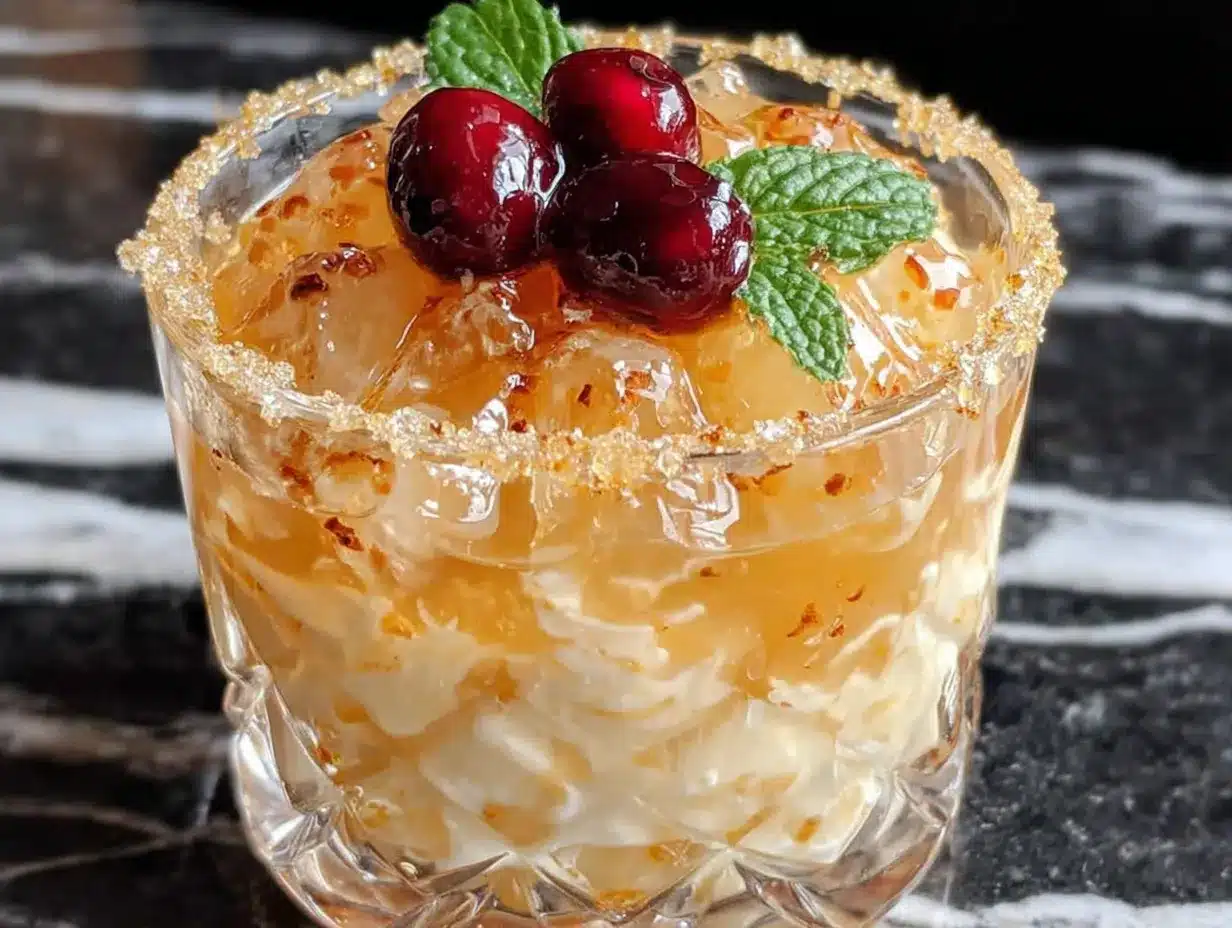
For presentation, arrange the shot cups on a decorative tray or platter. I like to scatter a few extra fresh berries and some edible flowers around the cups for a festive look. If you’re feeling extra fancy, you can rim the cups with a bit of sugar before filling them—just dip the rims in a little water or champagne and then in coarse sparkling sugar.
These pair wonderfully with other light appetizers. I’ve served them alongside smoked salmon blinis, fresh fruit skewers, and mini caprese bites. For beverages, they’re obviously great with more champagne, but they also work well with a crisp white wine or a light cocktail.
Storage: Keep the shots refrigerated with lids on at all times. They’ll stay fresh and firm for up to 3 days. After that, they start to weep liquid and lose their texture. Do NOT freeze them—the gelatin structure will break down and they’ll become watery and unappetizing when thawed.
Transporting: If you’re bringing these to a party, place the tray of cups in a cooler or insulated bag with ice packs. The lids are essential for travel—they prevent spills and keep the shots from absorbing fridge odors. I’ve transported them in a plastic storage bin with a lid, layered with paper towels to prevent sliding.
One thing I love about these is that they actually improve overnight. The flavors meld together and the texture becomes perfectly uniform. So don’t stress about making them at the last minute—they’re actually better if you prepare them a day ahead!
Nutritional Information & Benefits
Each champagne jello shot (using the recipe as written) contains approximately:
- Calories: 45-55
- Carbohydrates: 8-10 grams
- Sugar: 7-9 grams
- Protein: 2 grams
- Fat: 0 grams
- Alcohol content: Approximately 5-7% ABV per shot (varies based on champagne used)
Compared to a standard glass of champagne (about 120 calories) or a typical cocktail (150-200+ calories), these are a lighter option for celebrating. The gelatin adds a small amount of protein, and the fresh fruit contributes antioxidants and vitamin C.
These are naturally gluten-free and can be made dairy-free (they already are!). For a lower-sugar version, you can reduce the sugar to 2 tablespoons or use a sugar substitute like monk fruit sweetener—just note that the texture might be slightly different.
From my perspective, these are a wonderful way to enjoy a festive treat without overdoing it on calories or sugar. They let you participate in the celebration without the heavy feeling that can come from richer desserts or stronger cocktails. It’s indulgence with a light touch—exactly what I want when I’m thinking about fresh starts and new beginnings.
Conclusion
These light & festive champagne jello shots for New Year’s Eve have become my signature party contribution, and I honestly don’t see that changing anytime soon. They’re proof that you don’t need hours in the kitchen or a pantry full of exotic ingredients to create something that feels genuinely special. Whether you’re hosting a big party, attending a small gathering, or just want something fun to ring in the new year at home, these little shots deliver.
I love how adaptable they are—you can change up the fruit, adjust the sweetness, or experiment with different flavor combinations to make them your own. That’s the beauty of a simple recipe done right. It becomes a canvas for your creativity.
So go ahead—grab a bottle of bubbly, some fresh berries, and give these a try. I’d love to hear how they turn out! Drop a comment below and let me know what variations you came up with, or tag me in your photos if you share them online. Here’s to a new year filled with good food, good company, and recipes that make life a little bit brighter. Cheers!
Frequently Asked Questions
Can I make these champagne jello shots more than a day in advance?
Absolutely! In fact, I recommend making them 1-2 days ahead. They actually taste better after the flavors have had time to meld together. Just keep them refrigerated with lids on, and they’ll be perfect for up to 3 days.
Why did my jello shots turn out cloudy instead of clear?
Cloudiness usually happens when the champagne mixture gets too hot or when the gelatin isn’t fully dissolved. Make sure you’re heating gently and whisking until the gelatin is completely incorporated. Also, using a fine-mesh strainer before pouring can help remove any undissolved particles.
Can I use flavored gelatin instead of unflavored?
You can, but the flavor will be much stronger and less champagne-forward. If you want to try it, use one 3-ounce (85g) box of flavored gelatin and reduce the sugar to 1 tablespoon. The texture will be slightly different too—firmer and more like traditional jello.
How do I get the fruit to stay suspended in the middle instead of sinking?
This is a common challenge! The trick is to add the fruit after pouring the liquid, not before. Drop the fruit in gently after filling the cups halfway, then top off with more liquid. Alternatively, let the mixture cool until it’s slightly thickened (like a thin syrup) before adding fruit—the thicker liquid will hold the fruit in place better.
Can I double this recipe for a larger party?
Yes, you can easily double or triple the recipe. Just make sure you have enough refrigerator space for all the cups to set undisturbed. If you’re making a very large batch, work in smaller batches to ensure the gelatin dissolves evenly and the mixture doesn’t cool too much before you finish pouring.
Pin This Recipe!
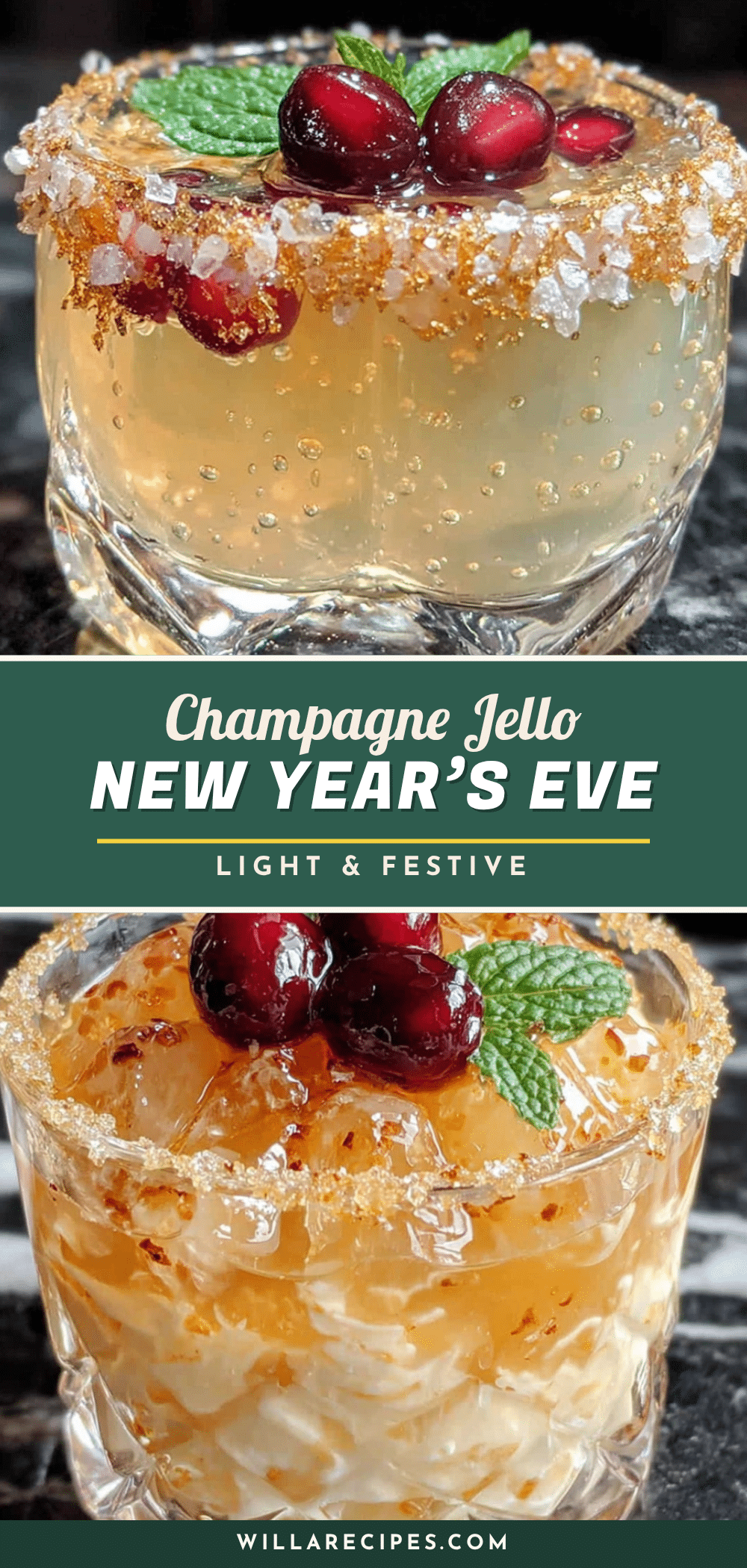
Light & Festive Champagne Jello Shots for New Year’s Eve
These light and festive champagne jello shots are the perfect last-minute party contribution or planned celebration treat. Made with simple ingredients, they’re quick to prepare, portable, and surprisingly elegant—a crowd-pleaser that disappears faster than expensive champagne.
- Prep Time: 15 minutes
- Cook Time: 10 minutes
- Total Time: 4 hours 25 minutes (including setting time)
- Yield: 12 servings (2-ounce shots) 1x
- Category: Appetizer
- Cuisine: American
Ingredients
- 1 ½ cups (355 ml) champagne or sparkling wine (brut or extra-dry recommended)
- 2 tablespoons (about 28 grams) unflavored gelatin powder (e.g., Knox brand)
- ¼ cup (50 grams) granulated sugar
- 2 tablespoons (30 ml) fresh lemon juice
- ½ cup (75 grams) fresh strawberries or raspberries, thinly sliced or halved
- ½ cup (120 ml) cold water
- Optional: edible glitter or gold leaf for garnish
Instructions
- Bloom the gelatin: Pour the ½ cup (120 ml) cold water into a small bowl. Sprinkle the 2 tablespoons of gelatin powder evenly over the surface. Do NOT stir yet! Let it sit for 5-10 minutes until the gelatin absorbs the water and looks like a firm, jiggly mass.
- Prepare your fruit: While the gelatin blooms, wash and slice your strawberries or other fruit into thin pieces. Set aside.
- Heat the champagne mixture: In a small saucepan, combine the 1 ½ cups (355 ml) champagne and ¼ cup (50 grams) sugar. Heat over medium-low heat, stirring gently, until the sugar dissolves completely. The mixture should be warm but NOT boiling—around 140°F (60°C) is perfect.
- Add the bloomed gelatin: Remove the saucepan from heat. Add the bloomed gelatin to the warm champagne mixture and whisk gently until completely dissolved, about 1-2 minutes. The mixture should be clear and smooth.
- Stir in the lemon juice: Add the 2 tablespoons of fresh lemon juice and stir to combine. Taste the mixture—it should be pleasantly sweet-tart.
- Cool the mixture slightly: Let the mixture sit at room temperature for about 10-15 minutes, stirring occasionally, until just barely warm.
- Fill the shot cups: Arrange plastic shot cups on a baking sheet. Drop a few pieces of fruit into each cup. Carefully pour the champagne mixture into each cup, filling them almost to the top (leave about ¼ inch or 5 mm of space if using lids).
- Add optional glitter: If using edible glitter, sprinkle a tiny pinch on top of each shot now.
- Refrigerate until set: Carefully transfer the baking sheet to the refrigerator. Chill for at least 4 hours, but overnight is better. The shots are ready when firm to the touch and jiggle as one solid mass.
- Add lids and serve: Once fully set, press the lids on firmly. Keep refrigerated until ready to serve. They’ll hold their texture for up to 3 days.
Notes
Don’t boil the champagne—it destroys bubbles and cooks off alcohol. Temperature matters: aim for warm but not hot (bathwater temperature). Use a light hand with fruit to avoid sinking and setting issues. Avoid fresh pineapple, kiwi, papaya, and mango as they prevent gelatin from setting. For best results, make a day ahead—flavors meld and texture improves. Do not freeze.
Nutrition
- Serving Size: 1 shot (2 ounces)
- Calories: 50
- Sugar: 8
- Sodium: 5
- Carbohydrates: 9
- Protein: 2
Keywords: champagne jello shots, New Year's Eve, party appetizer, sparkling wine, gelatin dessert, festive, easy, quick